

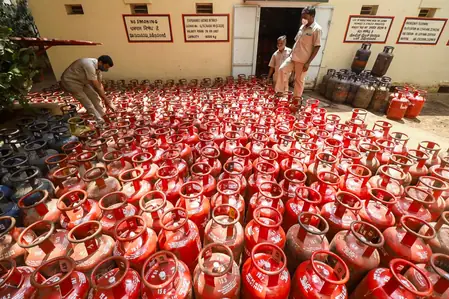
Oil companies in India have revised LPG rates upwards, effective immediately, with domestic cylinders in New Delhi now costing Rs 913 for a 14.2 kg unit—a Rs 60 hike from the previous Rs 853. Commercial cylinders saw an even sharper rise of Rs 114.5 per 19 kg unit, announced on Saturday amid soaring global energy costs.
This marks the second price adjustment for household LPG within a short span, underscoring the sector’s sensitivity to international crude fluctuations. According to Indian Oil Corporation, the changes stem directly from elevated import costs driven by Middle East conflicts, which have rattled oil and gas trade routes worldwide.
Geopolitical strife in the region has not only pushed up benchmark prices but also introduced supply uncertainties, prompting refiners to pass on costs to end-users. Analysts predict this could be part of a series of hikes if tensions persist, impacting everything from restaurant operations to home kitchens across the country.
In a related reassurance, PSU fuel majors BPCL and IOC categorically refuted viral claims of petrol and diesel shortages. BPCL’s statement on X highlighted ‘substantial reserves and uninterrupted supply chains,’ labeling rumors as unfounded. The firm committed to seamless fuel delivery for all customers, alleviating fears in regions where whispers of scarcity had begun to spread.
IOC reinforced this by noting normal distribution networks and plentiful stocks. ‘We are dedicated to maintaining uninterrupted supply nationwide,’ the company affirmed, advising against panic-buying and reliance on unverified social media reports. This dual messaging from industry leaders effectively curbed potential hoarding behaviors.
For households, the LPG escalation means tighter monthly budgets at a time when inflation remains a concern. Small eateries and hotels, heavy users of commercial cylinders, may pass costs to consumers, potentially stoking food price pressures. As India navigates these energy headwinds, calls grow for diversified imports and long-term pricing reforms to shield vulnerable segments.