
Where Malaria Was a Big Challenge, The Picture Has Changed, Cases Decreased by 83% in 10 Years, Now Habits Are Changing in Villages
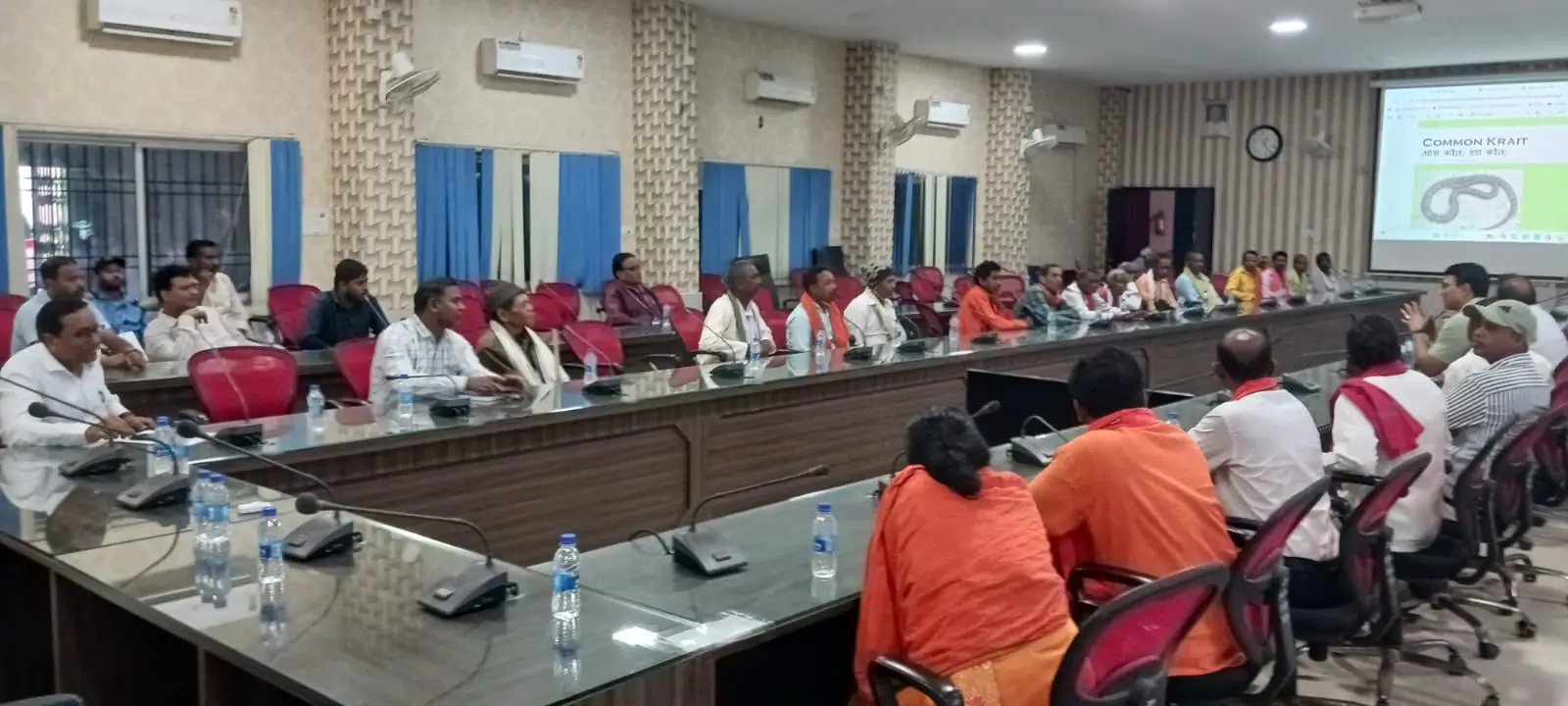
Baiiga-Guniya and field health workers have taken charge of awareness, behavior to prevent malaria is changing in villages.
Raipur, The fight against malaria in Bastar is no longer just about medicine and testing. In villages nestled amidst forests, the habit of using mosquito nets, immediate testing for fever, and timely treatment messages are gradually becoming a part of people's lifestyle. In these areas, once considered sensitive to malaria, the health department has made changing people's mindset and behavior, along with combating the disease, the focus of the campaign. The result of this collective effort is a nearly 83 percent reduction in malaria cases in the last 10 years.
Behind the change in Bastar's picture is a decade-long movement that has focused on delivering health services to villages and educating people on disease prevention. Especially to reach the large tribal population of the division, local language, traditions, and influential community members were used as mediums. The objective was clear: to communicate about malaria prevention in a language that every family in the village could easily understand and adopt in their daily routine.
*Baiiga-Guniya Also Became a Link in Awareness* With this idea, Baiiga-Guniya Sirha conferences are being organized. People in villages whose words are easily heard by the community are being connected with malaria prevention measures. In these conferences, through local language and communication styles, the importance of regular use of mosquito nets, immediate testing for fever, and seeking medical treatment is being explained.
This message specifically focuses on the fact that ignoring a fever and waiting at home can be detrimental. Timely testing leads to early disease detection and initiation of treatment. Similarly, using a mosquito net while sleeping is the easiest and most effective way to prevent malaria.
The health workforce is now also emphasizing the regular use of mosquito nets. Field health workers and Mitanins (village health volunteers) are contacting families to ensure that mosquito nets are not just kept in the house but are also used at night.
The system for fever surveillance and testing in malaria-affected areas has also been continuously strengthened. People in villages are being educated that instead of relying on home remedies for fever, they should contact a health worker and get tested. In this way, an effort is being made to connect both prevention and treatment with community behavior.