
When Water Spilled in the Courtyard, Life Changed
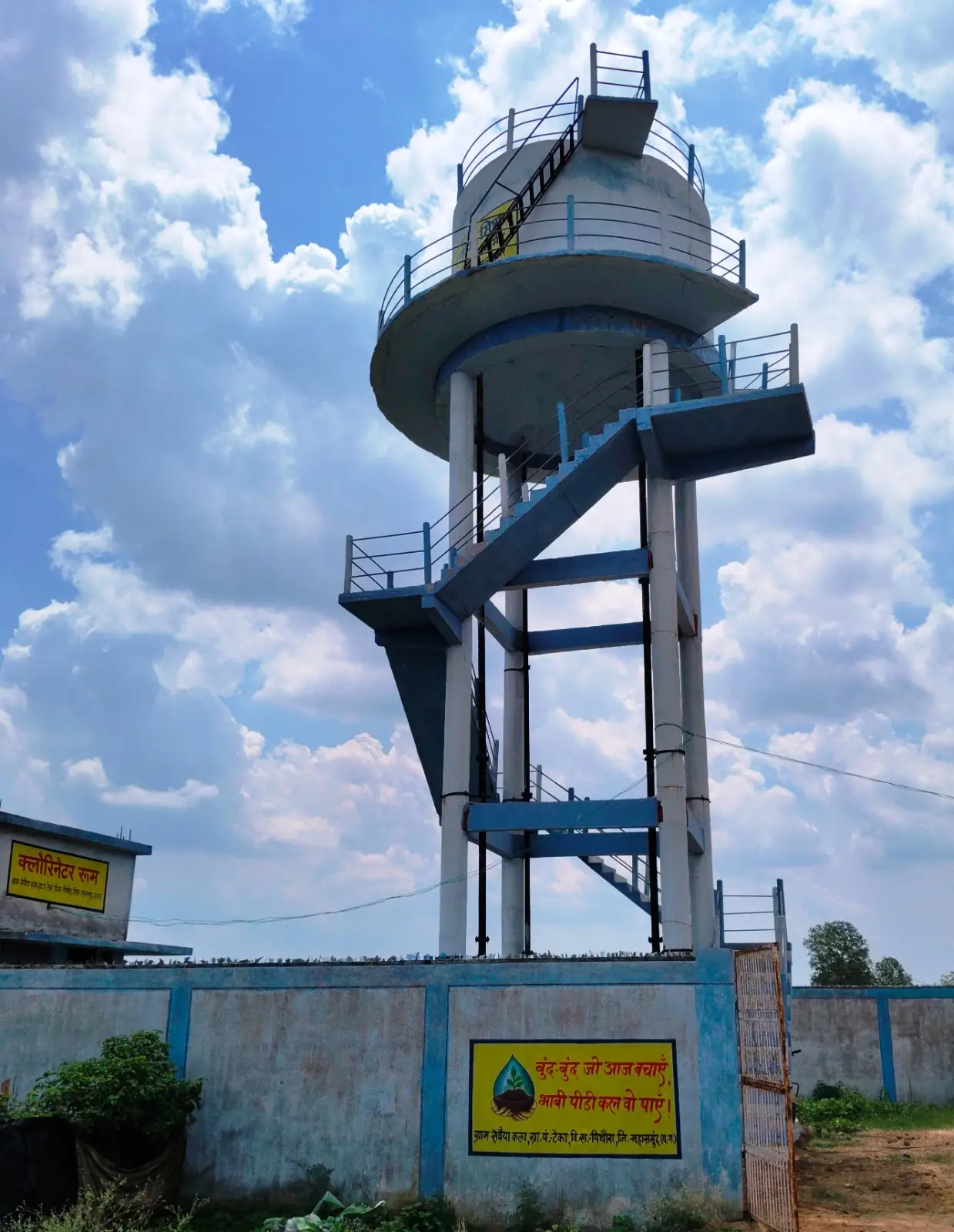
The journey of water pots in the streets has stopped, now every morning the story begins with the stream from the tap.
Raipur. In the mornings, queues of women carrying water pots are no longer seen in the streets of Sevaiyakala. Taps installed in the courtyards of houses open, and a stream of clean water starts flowing. Children now carry school bags instead of water-filled buckets. This change did not happen suddenly. It is the result of a scheme that has linked water not with convenience, but with respect and relief.
Sevaiyakala, a dependent village of Gram Panchayat Teka in Pithora development block of Mahasamund, achieved the 'Har Ghar Jal' (Water in Every Home) target this June. Under the Jal Jeevan Mission, regular supply of clean drinking water through taps now reaches all 185 houses in the village. For the villagers, this is not just a government achievement, but a change in their daily lives that they feel every morning.
Devika Sahu from the village says with a smile, "Earlier, fetching water was the biggest task. In summer, it often took half the day. Now, as soon as I turn on the tap, water is available. Time is saved, and the worry is gone." The women standing nearby nod in agreement. There is perhaps no family in the village whose daily routine has been untouched by this change.
In fact, water is not just a means to quench thirst. In villages, it is linked to women's labor, children's time, and the entire family's health. This is the most visible change in Sevaiyakala after the tap water reached every home. The hours in the morning that were once spent struggling for water are now being used for children's education, farming, and household chores.
Behind this change is the water supply system built at a cost of 81 lakh 52 thousand rupees under the Jal Jeevan Mission. A high water tank with a capacity of 40 kiloliters has been constructed in the village. A 3825-meter-long pipeline has been laid to provide tap connections to every home. The primary school and Anganwadi center have also been connected to this system, ensuring clean drinking water for children.
The scheme was completed on time under the leadership of Sarpanch Mrs. Kamli Basant and Secretary Mrs. Hemlata Sahu. But its biggest specialty is that the village did not just consider it a government scheme and stop there. A Village Water and Sanitation Committee has been formed for its operation and maintenance. Every family is contributing Rs 60 per month for the operation and maintenance of the water supply system, ensuring uninterrupted water supply in the coming years. Mithilesh Basant from the village is responsible for operating the pump at the scheduled time every day to supply water to the entire village.
The story of Sevaiyakala shows that development is not just seen in numbers; it is visible in people's changed daily routines. The true success of a scheme is evident when a woman does not have to walk kilometers for water, when children reach school on time instead of carrying water, and when clean water is available in every home without worry.
Today, the water flowing in Sevaiyakala is not just coming from taps; it has also brought a new sense of convenience, health, and respect to rural life. This success of the Jal Jeevan Mission is not just a statistic, but a living example of change.