
Self-help group women in Raigad prepare unique seed rakhis
Not only the love between brother and sister, but also the message of nature and environmental conservation can be given on Raksha Bandhan. Tying rakhis to trees and promising to protect them, and using eco-friendly plantable rakhis made of soil helps in keeping the environment green.
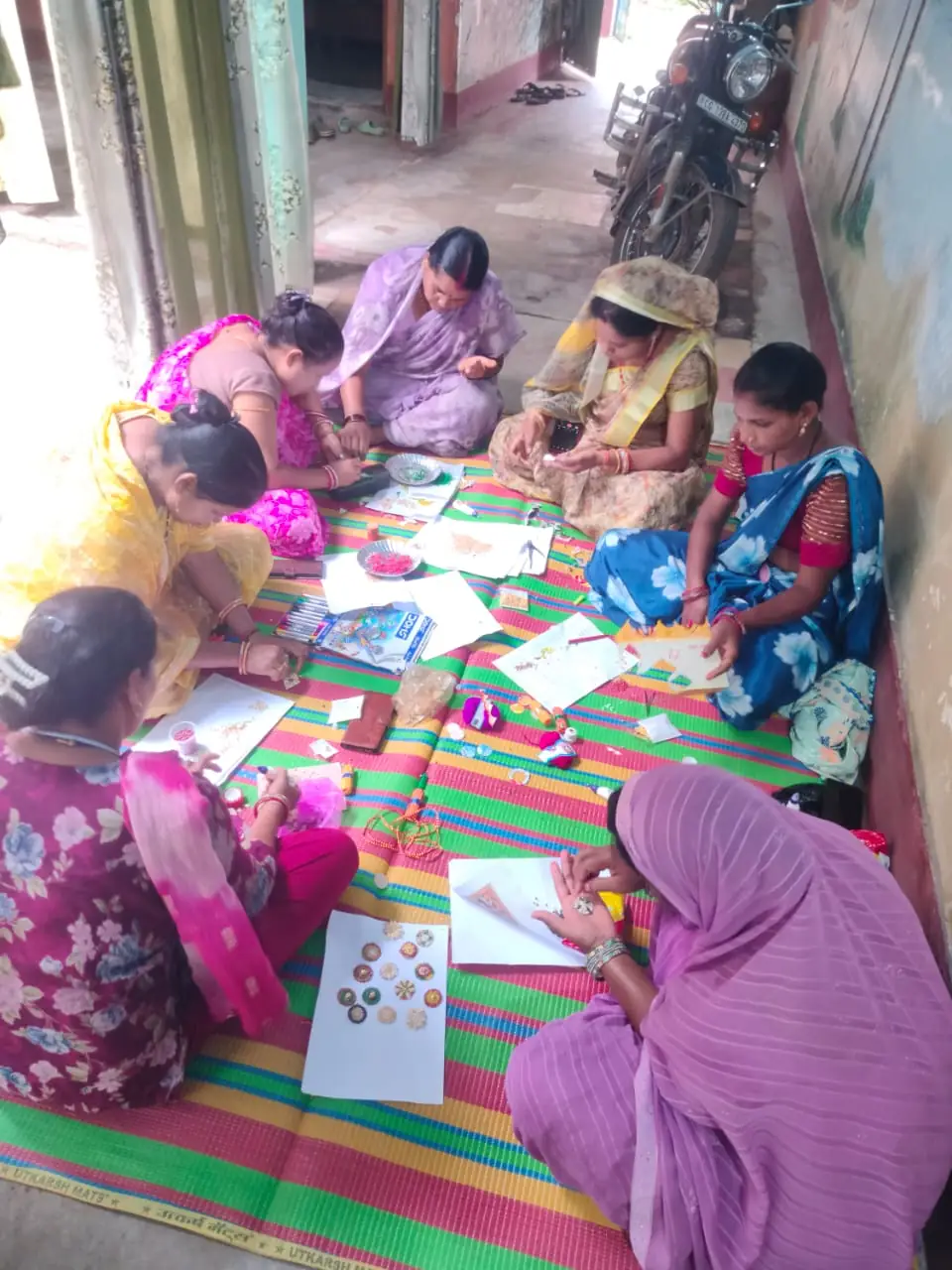
In the Raigad district of Chhattisgarh, women of self-help groups are setting a unique example this Raksha Bandhan by connecting the festival with nature conservation. Under the guidance of Collector Shri Mayank Chaturvedi, with the cooperation of Zila Panchayat Raigad and National Rural Livelihood Mission 'Bihan', eco-friendly seed rakhis are being prepared across the district.
Indigenous seeds will sprout upon disposal
The most special thing about these rakhis is that they are being made in a very attractive way with various indigenous seeds like paddy, maize, corn, flat beans, bitter gourd, and cowpea. If this rakhi mixes with the soil or is thrown away after the festival, the seeds in it will sprout and grow into plants. This will promote environmental conservation along with the unbreakable love between brother and sister.
Enthusiasm seen in villages
There is immense enthusiasm among women regarding this campaign in all seven development blocks of the district. In Gram Duliya Mura-Koylar of Dharmajagarh, active woman Kavita Rathia of Krishna Self-Help Group has set an example by preparing attractive seed rakhis. Agricultural friends and women from Raigad's Baispali, Junwani, Loing, Gopalpur, Sambalpuri, Lailunga, Tumnar's Libara village (Janani Group), Gharghoda's Badedumda (Gayatri Group), and Pusaha's Puthkapuri cluster, and across the district are engaged in this work.
Best seed rakhi to be selected from all seven development blocks
To promote this creativity and innovation in all seven development blocks of Raigad district, one best seed rakhi from each of the seven development blocks will be selected tomorrow, July 20. The selection criteria will be based on qualities such as attractive design of the rakhi, use of indigenous seeds, and the message of environmental conservation.
Winning women will tie rakhis to top district officials
The winning women from the seven development blocks selected in the competition will be honored in a special dignified ceremony on July 27. On this occasion, these women will themselves tie the seed rakhis made by their hands to the Collector and other top officials of the district. This campaign started by 'Bihan' sisters is now becoming a big public movement to fulfill the responsibility towards nature, rather than just a competition.