
Dweepti Scheme Enables Rural Women of Chhattisgarh to Become Solar Energy Entrepreneurs
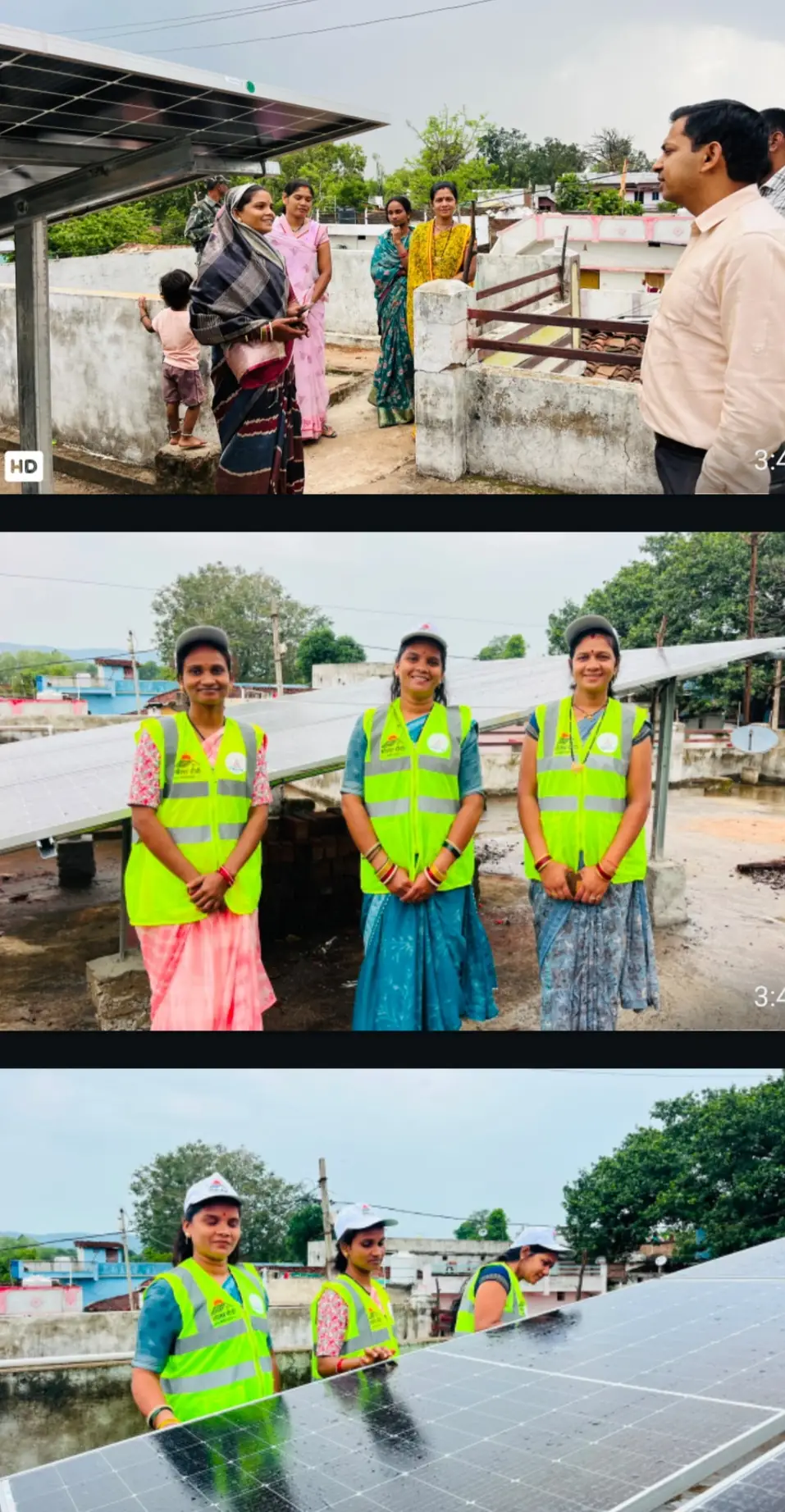
Dweepti Scheme Enables Rural Women of Chhattisgarh to Become Solar Energy Entrepreneurs Raipur, Chhattisgarh has launched a unique initiative linking the expansion of solar energy in rural areas with the economic empowerment of women. The Dweepti (DWEEPTI) scheme, standing for Decentralised Women Empowerment on Energy and Policy for Transformative Inclusion, is positioning women self-help groups not only as beneficiaries but also as sellers, technicians, entrepreneurs and service providers in the solar sector. The Panchayat and Rural Development Department, together with the technical partner Transform Rural India, developed this policy under the Green Economy Transition Mission. Chhattisgarh becomes the first state with a women-led decentralized renewable energy policy. According to the department, Chhattisgarh is the first state in India to adopt a women-led decentralized renewable energy policy. Over the next five years, the scheme aims to establish 5,000 women energy enterprises, create 50,000 green jobs, and ensure clean energy access for 5 lakh families and 10,000 institutions. Training 'Solar Didi' is underway. Under the scheme, the Chhattisgarh State Power Distribution Company Limited (CSPDCL) and district administrations have registered 13 cluster-level federations in 12 districts as authorized vendors of the Prime Minister's Surya Ghar free electricity scheme. Women are being trained to install, operate, maintain solar plants and raise public awareness, creating local 'Solar Didi' who can provide technical services in their areas. New livelihood opportunities aligned with the Prime Minister's 'Lakhpati Didi' vision. To extend solar systems to more families, easy-installment loan facilities are being provided to families linked to self-help groups. This financial model promotes clean energy while offering women-run enterprises the chance to build sustainable businesses, aligning with the Prime Minister's Lakhpati Didi vision for skill-based livelihoods. The state government’s broader vision links women’s economic empowerment with clean energy transformation. The scheme reflects this vision, with Chief Minister Shri Vishnu Dev Sai continuously urging self-help groups to create new livelihood opportunities for women, while Panchayat and Rural Development Minister Shri Vijay Sharma sees community institutions as the foundation of sustainable rural development. Dweepti merges these priorities, bringing women into the mainstream of the renewable energy sector. Connecting rural women to self-reliant clean-energy livelihoods. Secretary of the Panchayat and Rural Development Department Shri Bhim Singh noted that until now women's role in renewables was limited to beneficiaries. Dweepti changes this narrative by positioning women as sellers, technicians, managers and entrepreneurs, a crucial step toward realizing the Prime Minister's Lakhpati Didi vision for self-reliant livelihoods. In Kabirdham, the policy reaches the ground. The impact of Dweepti is now visible on the field. Kabirdham is among the early districts implementing the initiative. With CSPDCL- RAPM, Raipur, District Panchayat Kabirdham (Bihan) registered Vande Mataram Cluster Level Federation, Kawardha as an authorized solar vendor. Tata’s technical assistance trained about 35 women from Bihan's self-help groups, forming the district’s first 'Solar Didi' team. The first rooftop solar plant was installed in Samnapur village of Kabirdham district under the scheme. Mrs. Anjani Patel, a member of the Mata Bhavani self-help group under Pragati Livelihood Gram Organization, benefited from this training. She said, "This work opened a new livelihood path for us. We are proud that women of self-help groups are now installing solar systems themselves. This has increased confidence that this can become a strong, sustainable income source for many rural women." Growing demand for solar systems creates new self-employment opportunities for trained rural women. Collector Kabirdham Mr. Gopal Verma called the initiative a successful example of combining livelihood enhancement with renewable energy. He noted that rising demand for rooftop solar systems is generating new self-employment opportunities for trained rural women. Chief Executive Officer of Kabirdham District Panchayat Mr. Abhishek Agrawal said the model is designed to develop skill-based, sustainable livelihoods for women while expanding solar system reach in rural areas. Early results are encouraging. About 40 orders for rooftop solar installations have been received from women’s self-help groups and other villagers in Kabirdham, and several plants have already been installed. As the Dweepti scheme expands to other districts, the model—featuring women-led registered federations, trained local technicians, and easy financing—emerges as an effective example for wide-scale implementation in Chhattisgarh. Dweepti at a glance: • 5,000 women energy enterprises to be set up in five years • 50,000 green jobs to be created • Clean energy access ensured for 5 lakh families • 10,000 institutions linked to the scheme • 13 cluster-level federations in 12 districts registered as authorized solar vendors • 35 women trained as 'Solar Didi' in Kabirdham • Over 40 rooftop solar system orders received in Kabirdham district.