
Dhamtari Model Becomes Inspiration for the Country
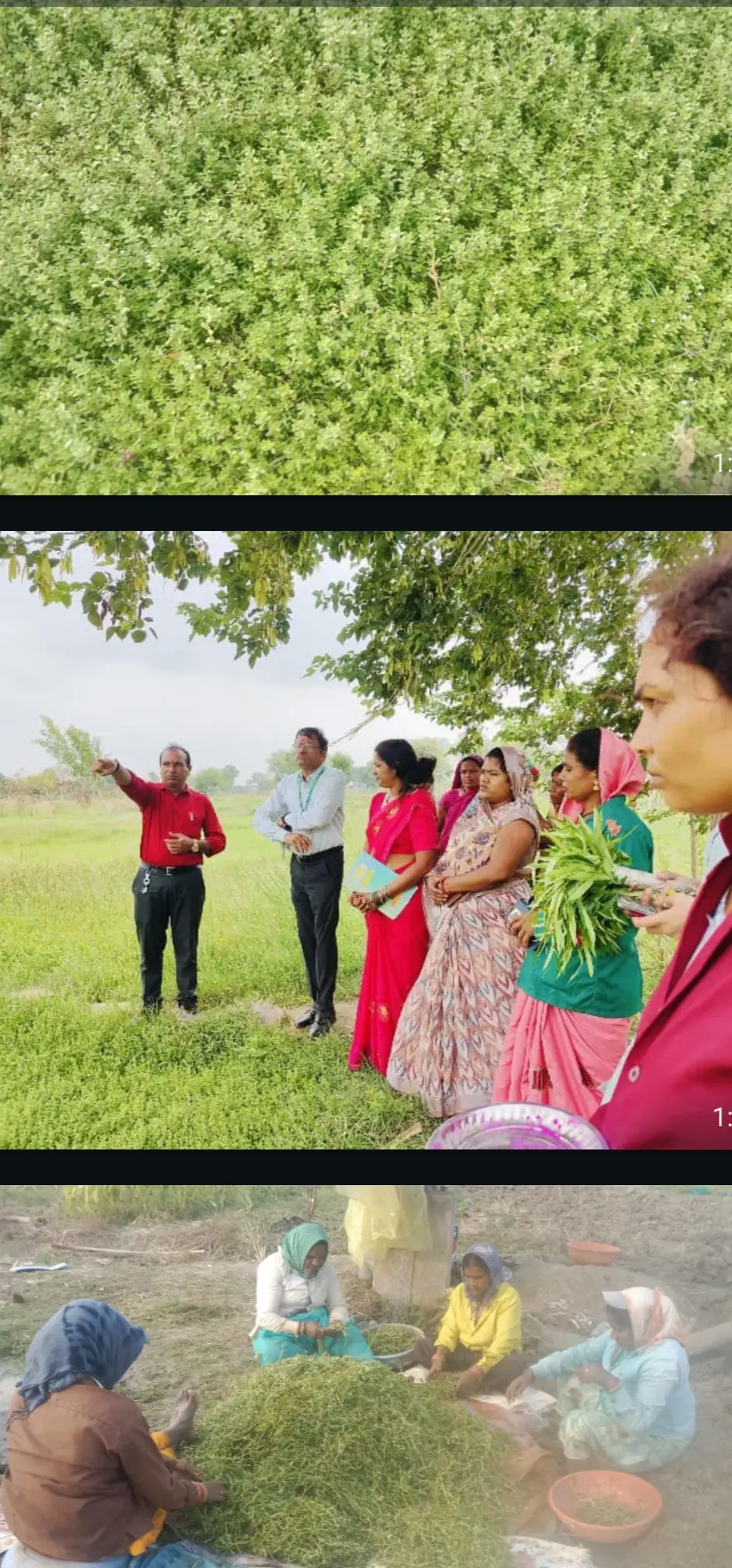
In Raipur, Chhattisgarh, the tribal, local health tradition and Medicinal Plant Board are running a special scheme in rural areas including Raipur, providing women with free medicinal plants such as Sindoori, Satavar and Ashwagandha to grow on otherwise useless plots, generating regular household income. In Dhamtari district, women are using barren land and even water from unused drains to cultivate medicinal crops, turning wastelands green and improving women’s self‑reliance and health. Collector Abinash Mishra, with the National Rural Livelihood Mission (Bihan) and the State Medicinal Plant Board, launched an innovative program in 2025 to promote medicinal and aromatic crops, linking it with women empowerment and livelihood creation. Qualified planting material of khus, brahmi, bach, lemongrass, pamarosa and pachouli was supplied to women’s self‑help groups, along with training, technical guidance and a buy‑back guarantee. Starting with about 150 acres and 200 women’s groups, crops such as khus (80 acres), brahmi (20 acres), bach (10 acres) and lemongrass‑pamarosa‑pachouli (40 acres) were planted, soon yielding up to one lakh rupees per acre and enabling women to fund education, household needs, farm equipment and small businesses, boosting confidence and social status. Success stories from groups like Kandel Satya Dhamir and others illustrate increased incomes, empowerment, banking participation and entrepreneurship. The state’s ‘Lakpati Didi’ campaign under Chief Minister Vishnu Dev Sai further supports women’s self‑employment, value addition and market linkage. The Dhamtari model has become a national showcase, receiving recognition at Mahakumbh‑2025 and attracting visitors from many states. Plans are to expand the initiative to 500 acres, creating over 500 ‘Lakpati Didi’ women, with coordinated support from multiple departments. The project also promotes environmental benefits, biodiversity, climate‑resilient agriculture and health through medicinal herbs. Overall, the Dhamtari medicinal‑plant model demonstrates how visionary leadership, effective administration, scientific technology, women’s power and local resources can drive inclusive, sustainable rural development.