
A New Story of Self-Reliance Written by Jashpur Farmer Anarath Sahay Through Protected Farming and Horticulture
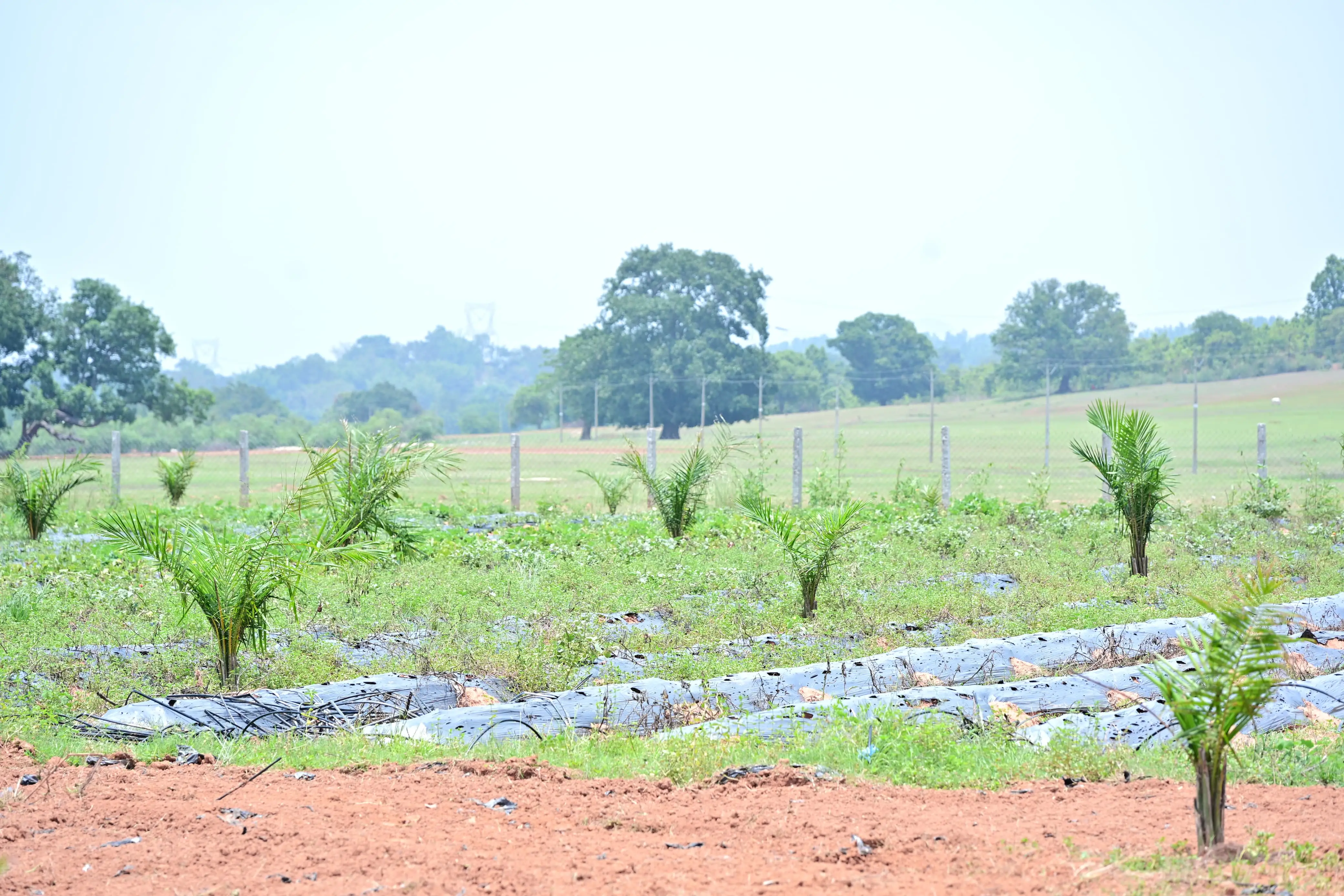
Protected farming and horticulture have enabled Jashpur farmer Anarath Sahay to write a new story of self-reliance. Income has risen through the cultivation of oil palm, mango‑lychee, strawberry, tomato and cauliflower. A grant of 1.42 million rupees from the National Horticultural Mission formed the basis of an integrated agricultural system. In Raipur, under Chief Minister Shri Vishnu Dev Sahay, the state encourages farmers to adopt horticulture, protected farming and crop diversification alongside traditional paddy. Benefiting from government schemes, farmers are adopting modern techniques and creating new income sources. Anarath Sahay, a progressive farmer from Patratoli village in Jashpur district, has built an economic foundation by embracing an integrated horticulture system. Under the National Horticultural Mission, he set up a shade‑net house on one acre for protected farming, using grafted tomato technology, which improves quality, shields crops from adverse weather and eases production management. The shade‑net house cost 2.84 million rupees, of which 1.42 million rupees was funded by the horticulture department. Oil palm cultivation has further expanded his income range; government incentives have enabled him to adopt this long‑term cash crop, optimizing land use and ensuring sustainable future earnings. He also developed a two‑hectare orchard of mango and lychee under the Integrated Horticulture Development Scheme, providing continuous production and income for years to come. By intercropping strawberry, tomato and cauliflower in the gaps between horticultural crops, he maximizes land utilization and receives income at different times of the year, serving as an inspiring example for other Jashpur farmers. He believes that diversifying crops reduces risk and increases earning opportunities, making an integrated agricultural system highly valuable throughout the year. His success shows that by leveraging state schemes, modern technology, protected farming, horticulture and crop diversification, farmers can strengthen their economic status. In an agrarian district like Jashpur, progressive farmers are not only advancing on the path of self‑reliance but also encouraging neighbors to move beyond traditional practices toward new, profitable crops. The expanding scope of horticulture and protected farming in Jashpur is boosting farmer incomes and giving the district’s agricultural economy a fresh identity.