

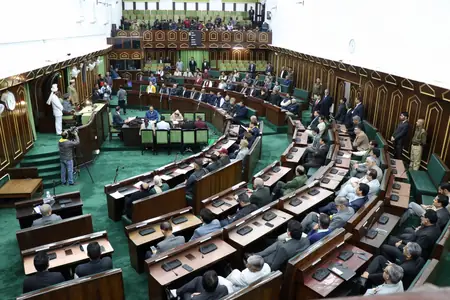
Jammu and Kashmir’s administration has pocketed ₹48.88 crore in application fees from aspiring candidates over the past two years, primarily via JKPSC and JKSSB, as revealed in the assembly on Monday. Pulwama legislator Waheed-ur-Rehman Para’s pointed query prompted this candid admission from the Union Territory government.
Fiscal specifics paint a clear picture: 2023-24 saw ₹14.48 crore inflows—₹7.39 crore from JKPSC and ₹7.09 crore from JKSSB. In 2024-25, the figures surged, with JKPSC securing over ₹10 crore and JKSSB a whopping ₹23 crore-plus, fueling the total coffers.
Parallel to this revenue stream, recruitment efforts were robust. JKSSB advertised around 10,400 vacancies, dwarfing JKPSC’s 1,750 posts, yet the applicant pool remains a sea of overqualified hopefuls.
Para’s intervention ties into broader discontent. He had earlier slammed the upcoming budget for sidelining youth initiatives and laborers, arguing it does little to curb unemployment plaguing half a million educated individuals.
In a territory starved of industrial hubs, public sector roles are lifelines. The recruitment process has evolved from merit-based selections to multi-stage gauntlets of exams and interviews, weeding out many despite their credentials.
A stark shift is evident in career choices. Prestige courses like MBBS and engineering, which guaranteed jobs a decade ago, now leave graduates in limbo—15,000+ doctors and 45,000 engineers unemployed, per reports.
This fee windfall prompts scrutiny: Will these funds circle back to expand opportunities, or merely sustain bureaucracy? As J&K navigates post-reorganization challenges, bridging the employability gap is imperative for stability and growth.