

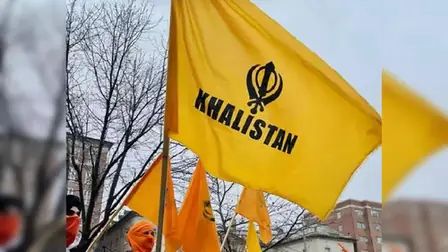
Tensions between India and Canada are escalating over unchecked pro-Khalistan activism on Canadian soil, according to a new analysis. Ottawa faces mounting pressure to curb anti-India campaigns that have long poisoned relations.
Published in Khalsa Vox, the report urges decisive intervention against radicals who glorify violence and intimidate opponents. It’s not about stifling free speech, but reining in those sowing fear among diaspora groups.
India has voiced alarm over parades, rallies, and online tirades targeting its diplomatic outposts. These incidents, ongoing for years, expose gaps in Canada’s counter-extremism efforts.
The piece emphasizes a key distinction: the vast majority of Canada’s Sikh population opposes militancy. Singling them out alongside terrorists harms community cohesion and bilateral goodwill.
New Delhi’s diplomatic notes have piled up, pressing for prosecutions and bans on hate-mongering entities. Yet, responses have been tepid, fueling frustration in India’s corridors of power.
Experts warn that inaction emboldens networks to radicalize youth and disrupt public order. It also jeopardizes economic partnerships, from tech investments to student flows.
The commentary proposes a balanced approach: enforce laws rigorously while protecting peaceful advocacy. This would restore faith in Canada’s commitment to pluralism.
Recent flashpoints include vandalism at consulates and warrior parades honoring assassins—acts that demand zero tolerance.
As Prime Minister Justin Trudeau’s government navigates domestic politics, the Khalistan shadow looms large. Bold reforms could pivot relations toward positivity, proving Canada’s mettle on the world stage.
In conclusion, prioritizing security over appeasement is essential. Only then can India and Canada move past this impasse toward mutual prosperity.