

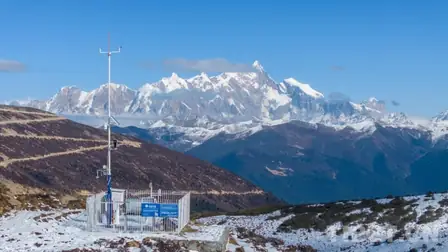
In a major leap for high-altitude meteorology, Tibet Autonomous Region reported robust progress in 2025 during the 2026 Meteorology Work Conference in Beijing. Weather stations now dot the landscape at a density of 10.1 per 10,000 sq km, up significantly. Radar networks cover 73.7% of the area, early warnings reach 98.7% of the public, and heavy precipitation forecasts boast 88.7% accuracy – all-time records.
Bureau chief Xiang Yuanyi emphasized exceeding expectations: ‘Beyond achieving 14th Five-Year Plan and 2022-2035 outline objectives, we’ve pioneered key tech advancements never seen before.’
The year saw the rollout of China’s first high-res regional numerical model for intense cyclones, filling critical voids in plateau predictions. Nighttime UAV flights in elevated terrains yielded game-changing atmospheric insights, enhancing forecast precision where traditional methods fall short.
On the ground, operations shone brightly. Teams executed 816 rain-making missions via ground-air synergy, boosting precipitation by 180 million tons to combat droughts. Hail control efforts numbered 1,178, slashing potential damages by 130 million yuan and protecting vital farmlands.
This surge in capabilities underscores Tibet’s commitment to science-driven resilience, offering lessons for global high-plateau weather management amid climate shifts.