

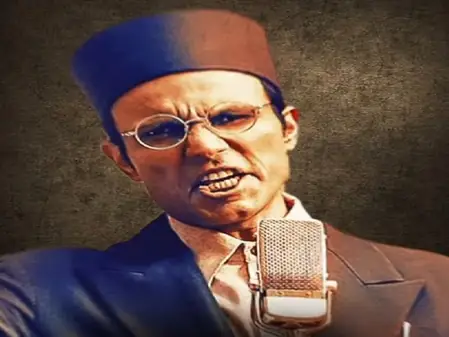
Marking the second anniversary of ‘Swatantrya Veer Savarkar,’ Randeep Hooda’s passion project shines a light on overlooked facets of Indian history. The multifaceted actor turned director sacrificed immensely—selling assets, starving his body, and isolating his mind—to bring Vinayak Savarkar’s saga to life. Behind the controversy lies a story of sheer determination.
Hooda’s preparation was extreme. Losing 32 kilos to depict Savarkar’s Andaman imprisonment, he ate once daily and confined himself to pitch-black spaces, channeling the revolutionary’s anguish. This wasn’t mere acting; it was a personal odyssey into suffering.
Pre-production research exposed gaps in mainstream literature about Savarkar. Undaunted, Hooda pored over diverse sources, crafting a rough draft that he polished into a complete screenplay with his co-writer in an intense three-day marathon. Twelve-hour workdays fueled this breakthrough, blending facts with dramatic dialogues.
Naysayers abounded, cautioning that a Savarkar biopic would tarnish Hooda’s stardom. Friends and industry insiders urged restraint, yet he quipped, ‘The more they say no, the more I want to say yes.’ Bollywood offered little backing, and Mahesh Manjrekar exited over disagreements, forcing Hooda to direct solo.
Released amid uproar, the film underperformed financially but amplified Savarkar’s legacy. Hooda’s all-in approach—tan, man, dhan—exemplifies rare artistic bravery in an industry favoring formulas. As debates rage, the biopic endures as a bold cinematic statement.