

Tel Aviv erupted in alarm as Iranian missiles slammed into Dimona and Arad, striking at the heart of Israel’s nuclear infrastructure for the first time. The barrage, ongoing since late February, left more than 100 wounded, including children in grave states, heightening fears of a broader war.
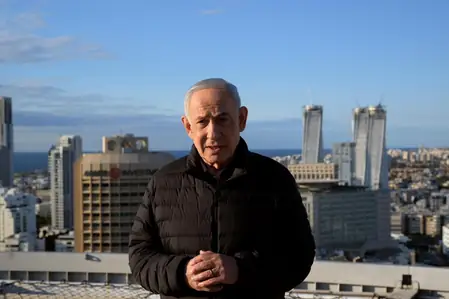
Prime Minister Benjamin Netanyahu wasted no time, holding a direct line with Arad Mayor Yair Mayaan to gauge the damage on the ground. Posting on X through official channels, he described the night as ‘a tough chapter in our fight for tomorrow.’ Netanyahu conveyed prayers for the injured and directed his chief of staff to rally all government arms for immediate relief efforts.
‘I’m backing our frontline rescuers fully,’ Netanyahu declared, while imploring the public to heed safety protocols from the Home Front Command. His words carried a steely commitment: Israel will press the attack against foes wherever they lurk.
Global nuclear watchdog IAEA issued a cautious update, verifying no harm to Dimona’s Negev Nuclear Research Center and no radiation spikes post-strike. Director Rafael Grossi called for maximum military de-escalation near such facilities, warning of potential nuclear safety perils amid rising hostilities.
Reports from Times of Israel highlighted the human toll: a young boy in Dimona pierced by fragments and a little girl in Arad fighting for life. Iranian outlets boasted of precision hits on atomic targets roughly 10 km from Dimona and 30 km from Arad, positioning the operation as payback for Israeli strikes on Iran’s program.
This brazen provocation arrives against a backdrop of relentless U.S.-Israeli pressure to dismantle Tehran’s nuclear pursuits. As sirens fade and debris clears, the incident spotlights the precarious balance in the Middle East, where one misstep could ignite catastrophe.