

South Korea is set to revolutionize EV purchasing with mandatory disclosures on battery origins and manufacturers, as revealed by the transport ministry on Sunday.
Under proposed legal changes to the Motor Vehicle Management Act and related rules, the list of publicly available EV battery info jumps from six to ten items. Shoppers will gain insights into the producer, country of manufacture, model name, and production date—details previously hidden from public view, leaving buyers with only capacity and voltage data.
Non-compliance won’t be tolerated: fines of up to 10 million won await automakers and dealers who withhold these facts. The ministry is also rolling out rigorous defect protocols. Repeated flaws—two to four instances in two years—could strip safety certifications, with severity tied to the issue’s nature.
Particularly stringent rules target hazardous batteries: those failing safety standards due to design or build errors, sparking fires or harm twice, face instant certification loss. Technical-compliant but still dangerous defects leading to three incidents will meet the same fate.
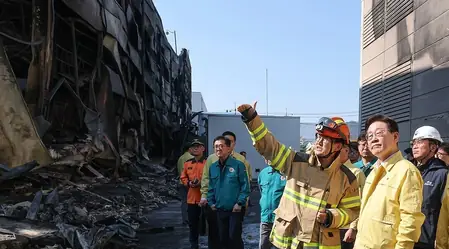
This initiative unfolds against the backdrop of tragedy in Daejeon, where a ferocious fire at an auto parts plant killed 14 and wounded over 60 on Friday. President Lee Jae-myung toured the devastation, consoled bereaved families, and vowed deep probes and robust safeguards to avert future horrors.
By bolstering transparency and accountability, these reforms promise to heighten consumer confidence, potentially spurring a surge in EV sales and supporting South Korea’s green mobility ambitions.