

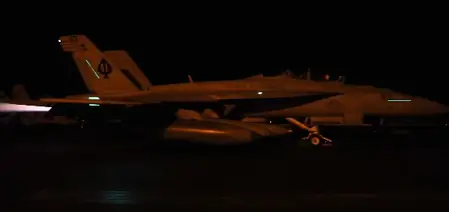
Picture this: a supersonic jet screaming toward a flight deck no larger than a football field, aboard a warship slicing through turbulent seas. Welcome to daily life on the USS Abraham Lincoln (CVN-72), where US Navy pilots master the art of arrested landings on what they call a ‘floating stamp.’
The carrier’s 4.5-acre deck heaves and sways, yet crews orchestrate flawless jet operations around the clock. High-speed launches catapult aircraft skyward; cables snag hooks for pinpoint stops. It’s a high-wire act demanding perfect synchronization between pilots, deck handlers, and catapult crews.
These routines gain added urgency as America ramps up assaults on Iran alongside Israel. The carrier group projects power in contested waters, ready for any escalation.
Fresh from the frontlines, Israel revealed it hammered Tehran’s missile infrastructure in a barrage of nighttime raids. IDF strikes hit over a dozen targets, crippling factories that churn out ballistic missile parts, fuel plants, and storage depots.
‘IDF will continue striking government weapons sites to degrade Iran’s ballistic program – a clear danger to Israel,’ read their official statement. Minister Katz, in Saturday’s security huddle, greenlit accelerated attacks, vowing to dismantle Iran’s command structure and capabilities.
Quoting Katz via Times of Israel: ‘Israel leads the charge against the Iranian regime, eliminating threats until regional security is assured.’ With promises of heavier blows this week, the USS Abraham Lincoln’s relentless flight ops symbolize the sustained pressure on Tehran, where every landing writes a chapter in modern warfare’s playbook.