

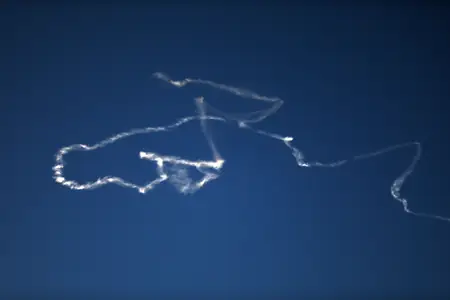
Iran’s military machine is in overdrive, with the IRGC announcing its 70th salvo of counterstrikes targeting more than 55 US and Israeli sites in the Gulf and surrounding areas. Press TV reported massive explosions, towering infernos, and thick smoke clouds engulfing the strike zones, signaling the intensity of the assault.
In a swift defensive posture, countries like Saudi Arabia, Kuwait, and Israel activated air defense batteries early Saturday to counter the drone and missile onslaught. This coordinated response highlights the precarious security landscape gripping the Arabian Peninsula.
Lebanon’s Hezbollah amplified the chaos, claiming 55 distinct attacks on IDF troops within 24 hours—a record single-day high against Israel. The group struck from Lebanese soil and across the border into northern Israel. Israel retaliated fiercely, intensifying airstrikes across multiple Lebanese sectors.
American outlet CNN dropped a bombshell with satellite analysis exposing the ruinous impact of US-Israeli airstrikes on Iran’s hidden missile complexes. Reviewing 32 bases, mostly ensconced in mountainous terrain, investigators found hits on tunnel portals, aboveground structures, and access roads. Seventy-seven percent of 107 tunnel entrances showed clear damage from explosives. Fifteen missile launchers lay in ruins, per the images.
The campaign, per cited specialists, seeks to entomb Iran’s underground facilities designed for quick missile rearming and launches toward American bases and regional partners. Post-conflict data indicates a staggering 90% drop in Iranian projectile firings. Still, warnings persist: Iran could still menace vessels transiting the Hormuz Strait, a critical artery for global oil flows.
This escalating tit-for-tat has world leaders on edge. Economic ripples from potential disruptions in the Strait could jolt global markets, while military analysts debate the endgame in this high-stakes showdown.