

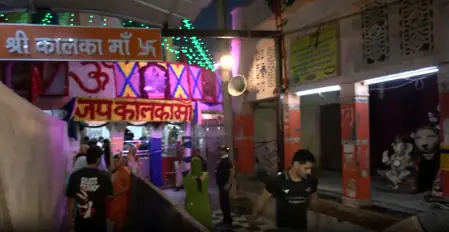
On the third day of Chaitra Navratri, Delhi’s Kalkaji and Jhandewalan temples became epicenters of devotion, accommodating huge crowds with remarkable efficiency that left worshippers impressed. Saturday’s events highlighted the festivals’ enduring appeal, blending ancient rituals with modern management.
Kalkaji Mandir overflowed with bhakts seeking Maa Durga’s grace. A regular visitor appreciated the lighter footfall this year, allowing unhurried darshan. ‘It’s a divine invitation from Mata ji,’ he enthused, describing the profound peace that followed.
Management strategies shone through, as one devotee observed no chaos despite the throng. ‘You wouldn’t guess the scale of the crowd,’ she said, linking the festival’s sanctity to its power in purifying the soul and granting boons.
Personal testimonies added depth: a man felt an otherworldly aura, convinced of wish-granting benevolence. A 30-year veteran called the vibe exceptional, underscoring yearly traditions.
At Jhandewalan, dedicated to Goddess Chandraghanta whose bell-like form symbolizes bravery, the priest detailed the day’s rituals. ‘Devotees who meditate on her today see dreams fulfilled,’ he noted, with morning queues forming early.
Post-prayer, a woman prayed for domestic bliss and world peace alongside family, hailing the flawless setup. Such feedback validates the temples’ preparedness, from queue systems to volunteer support.
Navratri’s third day emphasizes inner strength, mirrored in the orderly celebrations. As Delhi embraces this spiritual surge, these shrines exemplify how tradition adapts to contemporary needs, ensuring every seeker experiences unadulterated divinity.