

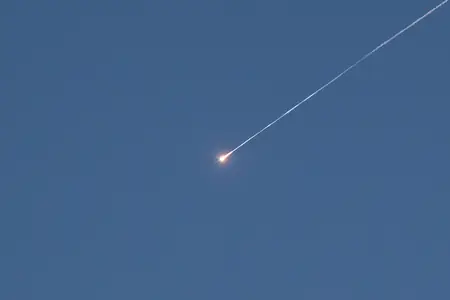
The 21-day mark of the fierce US-Israel-Iran confrontation has brought devastating news from Riyadh: the death of an Indian citizen caught in the crossfire. Saudi Arabia’s Indian Embassy issued a somber announcement, mourning the loss and pledging full support to the bereaved family.
Posted on X, the embassy’s message read: ‘Deepest sympathies from the Indian Embassy on the sad passing of an Indian citizen amid Riyadh’s events of March 18. We remain in constant contact with the family and authorities, ready to extend every possible aid.’
Reports suggest Iran’s aggressive posture against US-aligned neighbors, including sustained assaults on Saudi territory, has intensified. This personal tragedy highlights the widening ripple effects of the war.
Preceding this, Thursday’s high-level Riyadh summit saw foreign ministers from 12 Muslim countries unite in a strong rebuke. Representing Azerbaijan, Bahrain, Egypt, Jordan, Kuwait, Lebanon, Pakistan, Qatar, Saudi Arabia, Syria, Turkey, and UAE, they demanded Iran cease hostilities and adhere to global norms.
Their communique lambasted attacks on key infrastructure in Gulf nations, Jordan, Azerbaijan, and Turkey—targeting homes, oil installations, water plants, aviation hubs, housing complexes, and diplomatic premises. ‘Such aggression threatens peace and civilian safety across the region,’ they asserted.
Countering this, Iranian FM Abbas Araghchi accused the US and Israel of orchestrating strikes on Arab states from West Asian bases. Offering collaboration, he suggested a regional panel to probe attack origins.
He further claimed US innovation of the ‘Lucas’ drone, a clone of Iran’s Shahed 136, for Arab targets. Iran’s actions, per Araghchi, are defensive, hitting only American assets in response to prior provocations.
With lives lost far from the primary battlegrounds, international observers stress urgent diplomacy. The Indian mission’s vigilance offers a sliver of solace amid the chaos, as families grapple with unimaginable grief.