

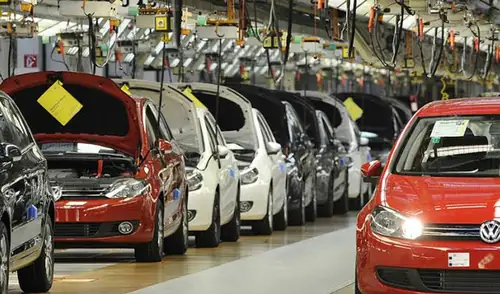
As conflicts rage in the Gulf region, India’s auto giants are breathing a sigh of relief. Production at facilities run by Maruti Suzuki, Mahindra, Tata Motors, and Kia shows no signs of slowdown, thanks to robust stockpiles. But experts caution that gas supply interruptions could change the game within a month.
The spotlight is on natural gas, a cornerstone for key operations in vehicle assembly. Strikes in Qatar have nearly halted shipments, prompting suppliers to flag delays. Without these gases, costs for paints, castings, and forgings could skyrocket, squeezing margins.
Automakers have stockpiled enough parts for the next 4-6 weeks, a safety net against immediate shocks. Beyond that, prolonged unrest risks crippling energy-intensive units. Sea freight bottlenecks would add fuel to the fire.
Leaders from the leading firms confirm smooth supply flows and vigilant oversight. Ties with vulnerable suppliers are tight, ensuring rapid response capabilities.
Notably, reliance on gas differs: Maruti leads at 74%, followed by Mahindra (38%), Tata (33%), and Hyundai (31%). Firms with lower exposure might weather storms better.
The sector’s fate hangs in the balance. Upcoming weeks will reveal if buffers hold or if deeper disruptions loom, testing the resilience of India’s automotive powerhouse.