

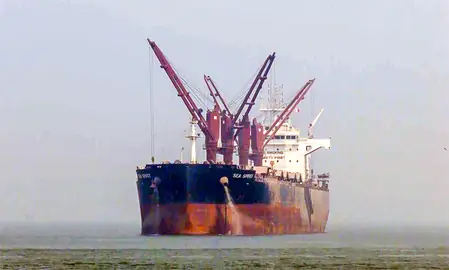
The recent strikes on Gulf energy facilities have ignited a crude oil price rally, poised to deliver substantial profits to upstream oil companies and service providers. Downstream refineries and consumers, however, grapple with rising expenses and squeezed margins.
Upstream operations center on extracting raw crude, positioning these firms ideally to capitalize on higher prices. Downstream entities, handling refining and sales, confront the opposite reality.
Systematics Institutional Equities’ latest analysis highlights the risk of extended supply interruptions, cautioning that recovery efforts may stretch over months. This scenario threatens long-term stability for energy importers globally.
Drawing from Bloomberg statistics, India’s crude imports halved to 1.9 million barrels per week by early March, a far cry from February’s 25 million barrel pace. Worldwide, weekly crude exports fell from 268 million barrels in February to 228 million by March 7 and 184 million by March 14.
Saudi exports cratered from February’s 42 million and 33 million weekly averages to 26 million and 12 million in March’s opening weeks. Iraq and UAE followed suit with plummeting figures, offset partly by US exports climbing to 25 million and 32 million barrels. Stable outputs elsewhere failed to fill the gap.
LNG supply to key Asian buyers – Japan, South Korea, China, India – has also dwindled sharply, doubling prices from $10 to around $20 per MMBtu in recent weeks. This dual squeeze on oil and gas underscores the vulnerability of import-reliant economies.
Market watchers anticipate a boom for upstream stocks amid sustained high prices, while downstream players navigate cost inflation and demand uncertainties in this disrupted landscape.