

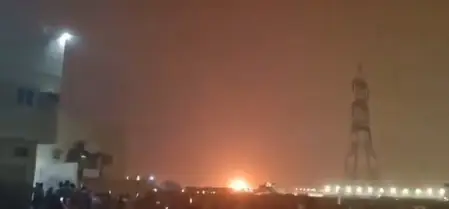
In a shocking escalation, missile barrages from Iran have ravaged Qatar’s Ras Laffan Industrial City, prompting official revelations of massive economic fallout. QatarEnergy CEO Saad Sherida al-Kaabi laid bare the destruction: a 17% plunge in LNG exports and a staggering $20 billion annual revenue shortfall.
The strikes hit hard on March 18-19, 2026, demolishing infrastructure vital to Qatar’s status as a global energy powerhouse. Six LNG production trains, totaling 12.8 MTPA or 17% of exports, lie in ruins. Ventures with ExxonMobil bear the brunt, with Train 4 and Train 6 partnerships now sidelined for extensive repairs estimated at three to five years.
Force majeure declarations are inevitable for long-term deals, disrupting supplies to key importers including China, South Korea, Italy, and Belgium. The assault extended to Shell’s Pearl GTL facility, where one plant faces at least a year’s downtime, hampering production of clean fuels, lubricants, and specialty chemicals.
The toll extends across products: 18.6 million barrels of condensate (24% of exports), 1.281 million tons LPG (13%), 0.594 million tons naphtha (6%), 0.18 million tons sulfur (6%), and 309.54 million cubic feet per annum helium (14%). Remarkably, no casualties occurred, thanks to the heroism of Qatar’s defense and emergency responders.
Al-Kaabi condemned the strikes as ‘unjust and senseless,’ assaults on not only Qatar but the fabric of global energy reliability. This crisis spotlights vulnerabilities in the Gulf’s energy infrastructure amid rising geopolitical strife, with long-term implications for international trade, pricing, and supply chains. Qatar vows resilience, but the path to recovery will test its mettle.