

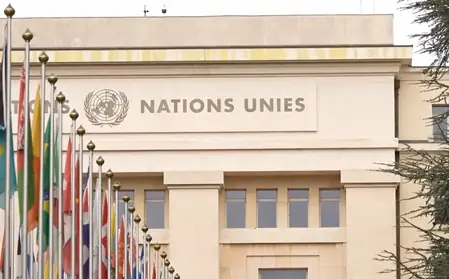
The United Nations Human Rights Council kicked off its 61st session with a general debate on human rights, where China’s deputy delegation head, Li Xiaomei, delivered a candid speech. Noting the 20th anniversary of the council’s founding resolution passed on March 15, she painted a sobering picture of today’s geopolitical landscape.
Multilateral frameworks are under strain, Li warned, as regional tensions erode global peace, spawn rights abuses, and trigger crises. Her remarks zeroed in on the alarming trend of weaponizing human rights for political gain, marked by hypocrisy and selective outrage.
Li took aim at the council’s oversight systems, which lavish resources on developing countries but sideline truly urgent matters. ‘Billions are spent on biased reviews, yet real violations escape meaningful attention,’ she observed, questioning the fairness of it all.
Marking this landmark anniversary, she advocated recommitting to equality-based dialogue and collaboration. This approach, she said, is key to advancing human rights worldwide in practical ways.
Adding to the session’s highlights, on March 17, the Chinese NGO Network (CNIE) joined forces with the Chinese mission in Geneva for a side event. Celebrating 40 years since the Declaration on the Right to Development, the forum focused on ‘Scientific Solutions to Human Rights Challenges.’
Over 100 delegates and specialists engaged in robust exchanges on timely issues: leveraging digital tools for development rights, combating climate crises, health pandemics, and bridging digital gaps. The pivotal role of NGOs emerged as a recurring theme.
In her address, Li underscored China’s priority on safeguarding development rights. She appealed for unity under principles of justice and authentic multilateralism to forge a shared human future.
Attendees commended China’s innovative leadership in fostering cooperation and tech-driven progress, underscoring its growing influence in global forums.