

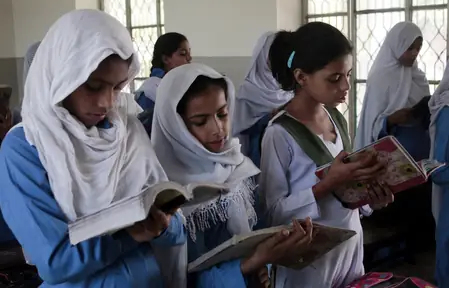
Pakistan faces a daunting education challenge as approximately 28 percent of children between 5 and 16 years old remain unschooled. Girls suffer disproportionately, with 34 percent missing out versus 22 percent of boys, according to comprehensive surveys highlighting systemic failures.
The rural-urban divide amplifies these issues, with remote villages witnessing the highest dropout rates among girls due to logistical hurdles and traditional mindsets. Although 67 percent of those over 10 have attended school at some point, retention is abysmally low.
Literacy rates paint a troubling picture: 63 percent overall, split by 73 percent for males and 52 percent for females. Cities boast 77 percent literacy, contrasting sharply with 56 percent in countryside regions. Primary enrollment hits 68 percent, but middle school sees only 40 percent, dwindling to 30 percent by 10th grade.
Key culprits include poverty-driven child labor, inadequate school facilities, and rising opportunity costs as children age. For girls, add domestic chores, early weddings, and scarce secondary options. Punjab shines with 66 percent literacy, Sindh at 61 percent, while Khyber Pakhtunkhwa and Balochistan lag at 55 percent and 43 percent respectively.
Addressing this requires multifaceted reforms: building more schools in underserved areas, incentivizing girl education, and tackling cultural biases. Without bold action, Pakistan risks perpetuating cycles of poverty and inequality.