

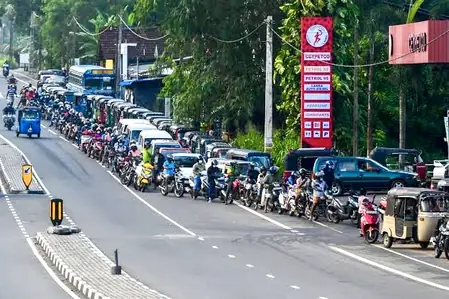
In a twist worsening Sri Lanka’s fuel woes, the National Fuel Pass QR system is failing second-hand vehicle owners spectacularly. Reintroduced to curb shortages, it’s instead creating barriers for legitimate users whose vehicles linger in outdated registries.
Daily Mirror reports a surge in complaints from recent buyers of pre-owned rides. The online portal rejects new registrations, claiming prior ownership ties. Without updated QR codes, weekly allotments vanish, crippling routines from work commutes to goods delivery.
The glitch spares new cars but plagues those with transfer histories. Inactive old phone numbers block verification, trapping owners in limbo. Stations overflow with disputes as denied drivers vent fury.
Government helplines echo with silence or robotic regrets, fueling outrage over absent ownership transfer protocols. This amid a flurry of conservation moves: school closures, transport bans, and now odd-even fueling by plate numbers.
Ceylon Petroleum’s MD clarified even-ending plates refuel on even days, odds on odds. Yet, core registration flaws undermine it all. Scams bloom online, duping the fuel-starved into bogus code sales.
As lines snake around pumps, calls grow for streamlined updates using official docs. Failure risks alienating thousands, eroding trust in digital rationing. Sri Lanka’s energy emergency demands tech that works for all, not just the lucky few.