

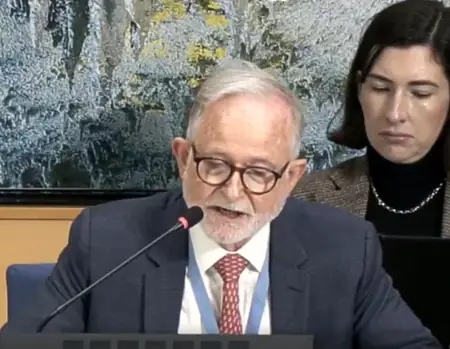
Geneva’s corridors buzzed with outrage as the UN Special Rapporteur slammed Pakistan for obliterating a key drug rehab center in Kabul with an airstrike. The Monday night assault on the Omid hospital left more than 400 dead, mostly addicts in treatment, prompting immediate calls for justice.
Richard Bennett, in no uncertain terms, branded the strike a blatant war crime. ‘An independent investigation is essential,’ he posted on X, backing the UNHRC’s demand for transparency and reparations. Hospitals, he stressed, are sanctuaries, not targets.
Taliban Foreign Minister Amir Khan Muttaqi painted a grim picture: 408 fatalities, 260 wounded in the Pul-e-Charkhi rubble. Addressing envoys, he decried the attack on society’s most fragile—those battling addiction—and accused Islamabad of systematic civilian targeting.
February’s onslaughts have shattered diplomatic trust, Muttaqi warned, pledging ‘appropriate’ Afghan responses if provocations continue. Yet, Kabul yearns for peace while safeguarding its borders.
His plea to world powers: Condemn Pakistan to avert regional chaos that could derail vital projects. This tragedy highlights Afghanistan’s addiction crisis, where over 2 million suffer, now compounded by cross-border violence.
As investigations loom, the international gaze turns to Pakistan’s military strategy. Will accountability prevail, or will escalation define South Asia’s fault lines? The UN’s firm stance signals a pivotal moment for regional stability.