

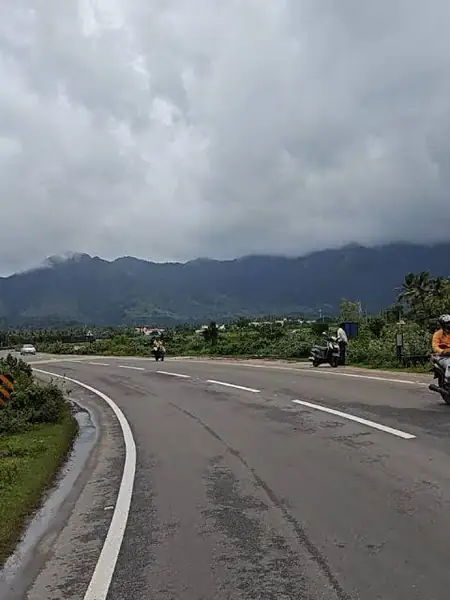
Conservationists are raising alarm bells over a ambitious highway project that would tunnel through one of South India’s most biodiversity-rich corridors. The Puliara-Aryankavu-Kadamapattukonam corridor, part of the Bharatmala Pariyojana, threatens to fragment vital wildlife migration routes in the Western Ghats.
The 61.7-km project seeks to enhance cargo movement between Tamil Nadu’s industrial hubs and Kerala’s coastal ports by connecting NH-744 with NH-66. NHAI’s application for wildlife clearance has spotlighted Package-1 – a 23-km stretch where the highway will bore through the ecologically priceless Sengottai Pass.
This natural gap serves as a crucial link in the Agasthyamalai Biosphere Reserve, facilitating animal movement between major protected areas: Kalakad-Mundanthurai and Periyar tiger reserves, Srivilliputhur sanctuary, and Peppara-Neyyar wildlife habitats. Tigers, elephants, and countless other species depend on this intact corridor for survival.
Of particular concern is the route’s passage through reserved forests in both states. The engineering solution – four tunnels totaling significant lengths – may mitigate surface disruption but raises questions about construction impacts, water table disruption, and long-term ecological consequences.
‘This isn’t just a road; it’s an ecological guillotine,’ said a prominent wildlife biologist. ‘The pass represents one of the last unbroken links in a severely fragmented landscape.’
Environmental groups are calling for independent ecological impact assessments and alternative alignments. They argue that while connectivity is vital, it shouldn’t come at the cost of one of India’s richest biodiversity repositories. The coming months will test India’s commitment to balancing development with conservation in its fragile mountain ecosystems.