

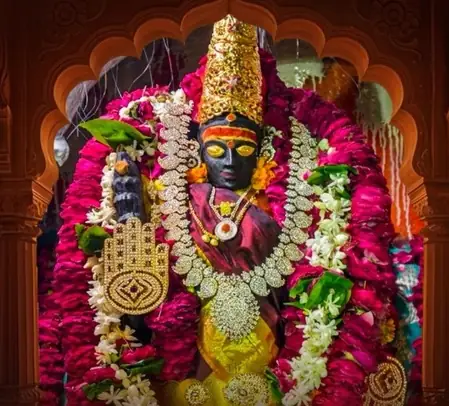
The vibrant festival of Chaitra Navratri dawns on March 19, inviting millions to immerse in the worship of Adi Shakti. From Thursday through the ninth day, households will echo with chants and aartis dedicated to Goddess Durga’s nine avatars. This Shukla Paksha Pratipada commencement heralds renewal, fertility, and divine protection.
Central to Day One is Ghatasthapana, where a kalash is enshrined with mantras, marking the goddess’s arrival. The accompanying Jau sowing ritual promises bountiful harvests, deeply rooted in agrarian traditions. The festivity peaks on Ram Navami, blending devotion to Durga with reverence for Rama’s victory narrative.
Drik Panchang charts the ideal Ghatasthapana window from 6:52 AM to 7:43 AM—a crisp 50 minutes of peak auspiciousness. Abhijit Muhurat offers a midday alternative: 12:05 PM to 12:53 PM. Vedic texts advise post-dawn execution to harness optimal energies.
Key astronomical notes: Sun rises at 6:26 AM, sets at 6:32 PM. Amavasya lingers till 6:52 AM, ushering Pratipada till next day’s 4:52 AM. Uttara Bhadrapada Nakshatra holds sway until 4:05 AM Friday. Additional favorable slots encompass Brahma Muhurat (4:51-5:39 AM), Vijay (2:30-3:18 PM), Godhuli (6:29-6:53 PM), and Amrit Kaal (11:32 PM-1:03 AM).
Avoid pitfalls like Rahu Kaal (2-3:30 PM), Yamaganda (6:26-7:57 AM), Gulika (9:28-10:58 AM), and Durmuhurat (10:28-11:17 AM). Armed with these timings, families can craft a flawless puja, fostering spiritual harmony and warding off adversities throughout the sacred nine nights.