

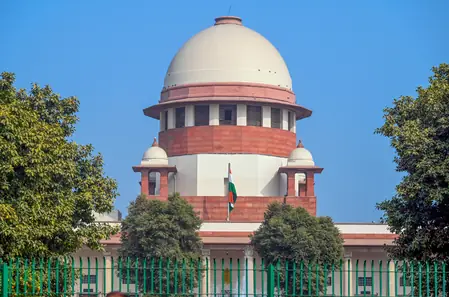
Tensions between West Bengal’s ruling Trinamool Congress and the Enforcement Directorate reach a boiling point at the Supreme Court. On March 18, Justices Prashant Kumar Mishra and N.V. Anjaria will scrutinize ED’s plea alleging Chief Minister Mamata Banerjee sabotaged raids at IPAC’s Kolkata office and Prateek Jain’s home.
ED’s narrative is one of brazen obstruction. During simultaneous searches under PMLA for coal scam probes, Banerjee allegedly barged in, halting operations. The agency seeks FIRs against top state officials, claiming a pattern of ‘terrorizing’ central sleuths in Bengal.
ASG S.V. Raju laid it bare in court: ED faces hostility, not overreach. Countering senior advocate Siddharth Luthra’s defenses, he emphasized the agency’s victimization amid political pushback.
Banerjee refutes all charges in her affidavit. Her January 8 visit to Loudon Street and Bidhan Nagar was a measured step to safeguard TMC’s confidential election strategy data. Informed that ED was rifling through sensitive files, she courteously secured devices and printouts. Officers raised no objections, and searches proceeded unhindered.
TMC stresses its non-involvement in the scam, questioning ED’s data rights. The affidavit slams the raid’s timing—post long dormancy, just as IPAC compiled key 2026 election lists. Alleging PMLA violations, it demands proof via recordings, portraying ED’s moves as politically motivated espionage.
As arguments unfold, this case spotlights federal-state frictions. A ruling could either rein in investigative overreach or curb political interference, shaping future enforcement dynamics in poll-bound states.