

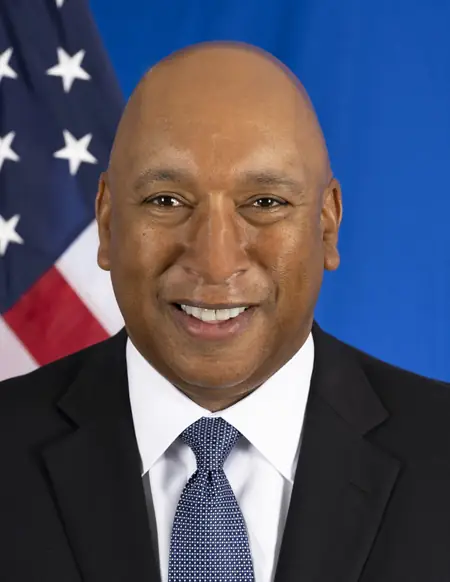
The U.S. defense export machine hit a record high last fiscal year, approving more than $330 billion in arms deals—a testament to the unmatched appeal of American military tech worldwide. Speaking before Congress, State Department’s Stanley L. Brown attributed this surge to allies’ unwavering confidence in U.S. systems and partnerships.
But beneath the numbers lies a creaky bureaucracy unable to keep pace. Brown painted a picture of a process bogged down by complexity, failing to deliver weapons at the velocity partners demand in today’s volatile world. Enter the Trump administration’s bold countermeasures: executive actions and the ‘America First Arms Transfer Strategy,’ designed to turbocharge approvals and fortify the industrial backbone supporting these sales.
Dangers loom if changes stall, Brown cautioned. Congressional red tape might steer nations to competitors like Russia or China, jeopardizing joint operations and strategic alignments down the line. Pentagon’s Mike Duffy reinforced this, stressing that America’s edge hinges on a vibrant defense sector intertwined with global allies. Reforms target deregulation, faster deliveries, and scaled-up production via innovative contractor pacts, enabling firms to pour investments into ammo and key platforms.
The hearing exposed deep partisan rifts. Pro-reform voices like Rep. Brian Mast slammed the status quo as an obsolete drag on security, advocating emergency powers for swift aid to partners. Rep. Ryan Zinke decried the $250 billion sales backlog and absent tracking tech, demanding streamlined oversight for quicker, deadlier outcomes.
Critics pushed back hard. Rep. Gregory Meeks decried oversight evasion as a threat to democratic checks, while Rep. Madeleine Dean lambasted the executive overreach, especially on conflict-linked deals. At stake is the Defense Security Cooperation Agency’s massive workload—processing $100 billion-plus yearly across 136 embassies.
This arms export renaissance arrives amid rising geopolitical stakes, from Ukraine to the Middle East. Success could cement U.S. dominance; failure might cede ground to adversaries. As debates rage, one truth stands: in arms sales, speed isn’t just convenience—it’s survival.