

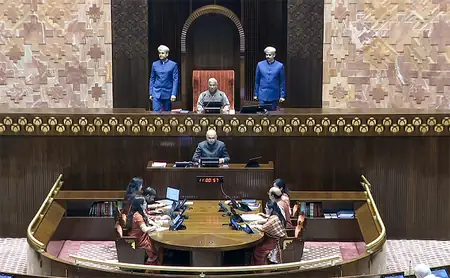
In a poignant address to the Rajya Sabha, BJP MP Lakshmikant Vajpayee exposed the escalating menace of violence plaguing India’s medical fraternity. Citing a comprehensive national survey, he disclosed that 7.9 percent of doctors suffered verbal or physical mistreatment over the last year, with 3.9 percent facing outright assaults. These attacks often include attempts to harm physicians, smashing hospital property, and wrecking essential medical gear.
The most troubling aspect? Nearly half—48 percent—of these brutal incidents never make it to official records, stemming from doctors’ eroded faith in authorities. Vajpayee recounted horrifying tales from high-incidence states: West Bengal, Maharashtra, Bihar, Uttar Pradesh, and Delhi. The violence has spilled beyond urban centers, infiltrating towns like Meerut and modest nursing homes, where frustrated patient relatives turn aggressive, disrupting critical care.
Delhi’s public hospitals paint a grim picture, logging 149 clashes from 2021 to 2025, including 49 in 2024 and 48 in 2025. ‘Our society hails doctors as divine saviors, tirelessly battling for lives,’ Vajpayee lamented. But recent years have seen acrimony sour this reverence, breeding hospital hostilities that undermine public health.
Labeling it a ‘grave and sensitive’ emergency, the MP called for urgent safeguards. He proposed state-level appeal panels under retired High Court judges and district committees headed by judges to swiftly adjudicate disputes. Such measures would shield doctors, enabling them to fulfill their duties undaunted, while delivering prompt justice to aggrieved families and fortifying the healthcare framework.