

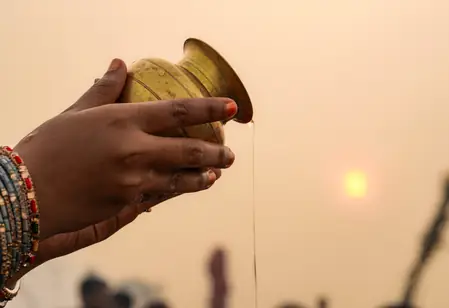
As the Hindu calendar turns to March 18, Dars Amavasya arrives, a sacred no-moon night steeped in tradition. The term ‘Dars’ evokes sighting the elusive moon, underscoring the mystical essence of Amavasya when lunar darkness prevails.
This day holds immense significance for pitru puja. Offering tarpan and shraddh soothes ancestral spirits, who in turn shower blessings of abundance, vitality, and fortune upon descendants. Donating essentials, taking holy dips, and conducting dedicated worships neutralize ancestral curses, paving the way for future prosperity.
Panchang details reveal sunrise at 6:28 AM and sunset at 6:31 PM. Amavasya tithi commences post 8:25 AM after Chaturdashi. Nakshatras shift from Purva Bhadrapada (till 5:21 AM) to Uttara Bhadrapada. Beneficial Shubh Yoga endures from early morning into the next day; Shakuni karan fades by 8:25 AM.
Prime windows for ceremonies: Brahma Muhurta (4:52-5:40 AM), Vijay (2:30-3:18 PM), Godhuli (6:29-6:53 PM), Amrit Kaal (9:37-11:10 PM), and Nishith (12:05-12:53 AM). Abhijit remains absent.
Steer clear of Rahu (12:29 PM-2 PM), Yamaganda (7:58-9:28 AM), Gulika (10:59 AM-12:29 PM), and Dur Muhurta (12:05-12:53 PM). Wednesday’s all-day Panchak demands caution in major activities.
Embrace Dars Amavasya’s rituals to forge stronger familial bonds with the divine realm, harnessing its energies for holistic fulfillment.