

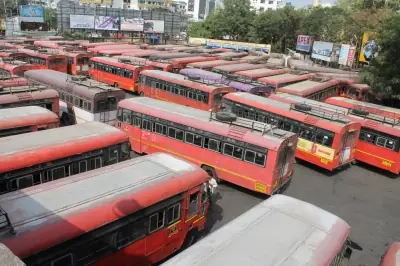
In a landmark announcement, Maharashtra’s Transport Minister Pratap Sarnaik revealed plans to electrify the entire 22,000-bus MSRTC fleet by 2037, making the state the first in India to commit to a zero-emission public bus network. Speaking in the upper house of the legislature, Sarnaik emphasized this as a pivotal move toward sustainable transport.
With approximately 800 electric buses already operational, MSRTC is accelerating its green transition. This initiative echoes the broader vision of PM Narendra Modi and CM Devendra Fadnavis for India to achieve full electric mobility by 2047. Scrapping previous intentions to buy 5,000 diesel buses yearly, the focus now is on electric procurements for fleet expansion beyond the current 8,000 diesel units.
Conversion programs for diesel-to-electric upgrades are in the pipeline, complemented by innovative solar energy proposals for charging infrastructure. This approach will cut electricity costs and minimize environmental impact by easing the burden on conventional grids.
The EV Policy 2026 offers robust incentives, including tax rebates and toll-free access on major highways such as Mumbai-Pune Expressway, Samruddhi Mahamarg, and Atal Setu. Highway charging stations are being spaced every 25 km, while skill-building courses in EV tech are gaining momentum.
Compared to Delhi’s fleet of over 4,200 EVs—targeting 7,500 by 2026 and 14,000 by 2028—Maharashtra’s plan underscores its leadership in electric public transport. This transformation will slash emissions, lower operational expenses, and pave the way for eco-friendly commuting across the region.