

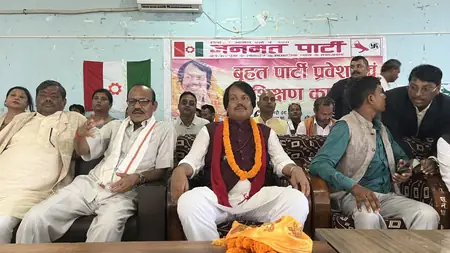
Kathmandu’s political scene is reeling after CK Raut, once a separatist icon turned Janamat Party chief, declared an end to his electoral ambitions. The announcement follows the obliteration of Madhesh-focused parties in Nepal’s parliamentary elections, where they drew a blank across both FPTP and proportional systems.
The electoral math is stark: 165 direct seats and 110 PR slots in the 275-seat parliament. Madhesh outfits couldn’t muster a single FPTP victory or the mandatory 3% vote share for PR, ending their lower house presence for the first time in over three decades.
In an interview with Prime TV, Raut admitted fighting reluctantly this time and pledged no future candidacies, though he’ll helm the party if required. His pivot from separatism to parliament in 2022 yielded six seats then, but Saptari-2 saw him trounced by RSP’s Ramji Yadav, landing third.
RSP’s sweep in Madhesh—30 of 32 FPTP seats—signals a seismic shift. Balen Shah’s Maithili rhetoric, branding himself Madhesh’s own and pitching an indigenous PM, galvanized voters. Nepali Congress and UML got the scraps.
Tracing roots to the 2007 Madhesh uprising, these parties peaked in 2008 but faltered amid infighting and corruption charges. Defeats for Upendra Yadav (Saptari-3), Prabhu Shah (Rautahat-3), and Rajendra Mahato (Sarlahi-2) compound the misery.
Undeterred, Madhesh voices affirm their agenda lives on, eyeing resurgence.