

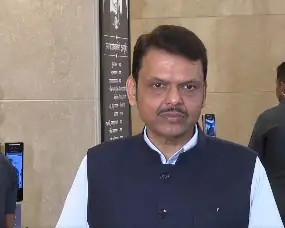
In a firm rebuttal to mounting criticism, Maharashtra CM Devendra Fadnavis justified the introduction of the Maharashtra Freedom of Religion Bill, positioning it as a necessary shield against exploitative religious conversions. The proposal, unveiled last week, has ignited a firestorm of opinions in the state’s political corridors.
Fadnavis painted a grim picture of real-world abuses: young women deceived into marriages through romantic enticements, converted against their will, and left to fend for themselves and their offspring. ‘These tragic stories aren’t isolated; they complicate lives irreversibly. Our bill aims to end this cycle,’ he told the media.
Pushing back against accusations of communal bias, the CM clarified that the law is neutral, focusing solely on conversions driven by undue influence rather than voluntary choice. ‘Opposition parties are politicizing a genuine safeguard for their electoral gains. A careful reading will convince them otherwise,’ he predicted.
Drawing parallels with laws in Uttar Pradesh, Madhya Pradesh, and others, Fadnavis noted Maharashtra’s late but decisive entry into this reform space. Introduced by Minister Pankaj Bhoyar, the bill mandates rigorous scrutiny of conversion processes and imposes harsh punishments for malpractices like misrepresentation or allurement.
This development arrives at a time when national conversations on religious freedoms are intensifying. Supporters hail it as progressive protectionism; opponents decry it as overreach. Fadnavis’ defense sets the stage for heated assembly debates, potentially reshaping Maharashtra’s approach to personal laws and interfaith dynamics.