

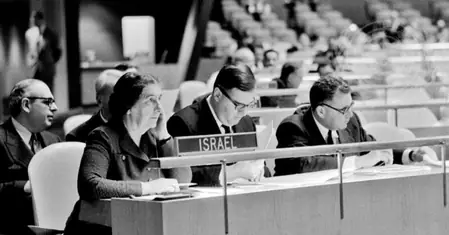
Golda Meir, the indomitable ‘Iron Lady of Israel,’ etched her name in history not just for steering her nation through war but for extending a clandestine hand to India during its 1971 conflict with Pakistan. Taking office at 70 in 1969, this Kyiv-born leader shattered barriers as Israel’s first woman PM, beloved as the nation’s ‘grandmother’ for her candid, chain-smoking persona.
Her days were marathons of governance, ending—or beginning—at 4 a.m. with tea sessions alongside security detail, as detailed in her memoir ‘My Life.’ Ben-Gurion’s praise rang true: she was the ‘only man’ in his cabinet, blending maternal warmth with razor-sharp decision-making.
Meir’s rhetoric cut deep into Middle Eastern strife. ‘We could forgive Arab attacks on our children, but not for making us retaliate against theirs,’ she stated, underscoring her unapologetic stance. The 1973 Yom Kippur War defined her grit; despite early setbacks, her leadership turned the tide.
Far from the Arab-Israeli theater, Meir’s impact rippled to South Asia. In 1971, as Indira Gandhi battled Pakistani forces amid global isolation—Nixon and Kissinger tilting toward Islamabad—Israel delivered vital arms covertly. Mortars, munitions, and expert trainers arrived via shadowy channels, bolstering India’s defenses in a war that birthed Bangladesh. This aid, routed through figures like Shlomo Zabludowicz, remained classified, honoring India’s delicate non-relations with Israel.
The Gandhi-Meir rapport was a quiet alliance of visionaries. Meir resigned in 1974, her era scrutinized, yet her contributions shine. Her words on peace—’when Arabs prioritize their kids over hatred’—echo her blend of toughness and hope. Golda Meir’s story is one of unexpected alliances, proving leadership transcends borders and formal ties.