

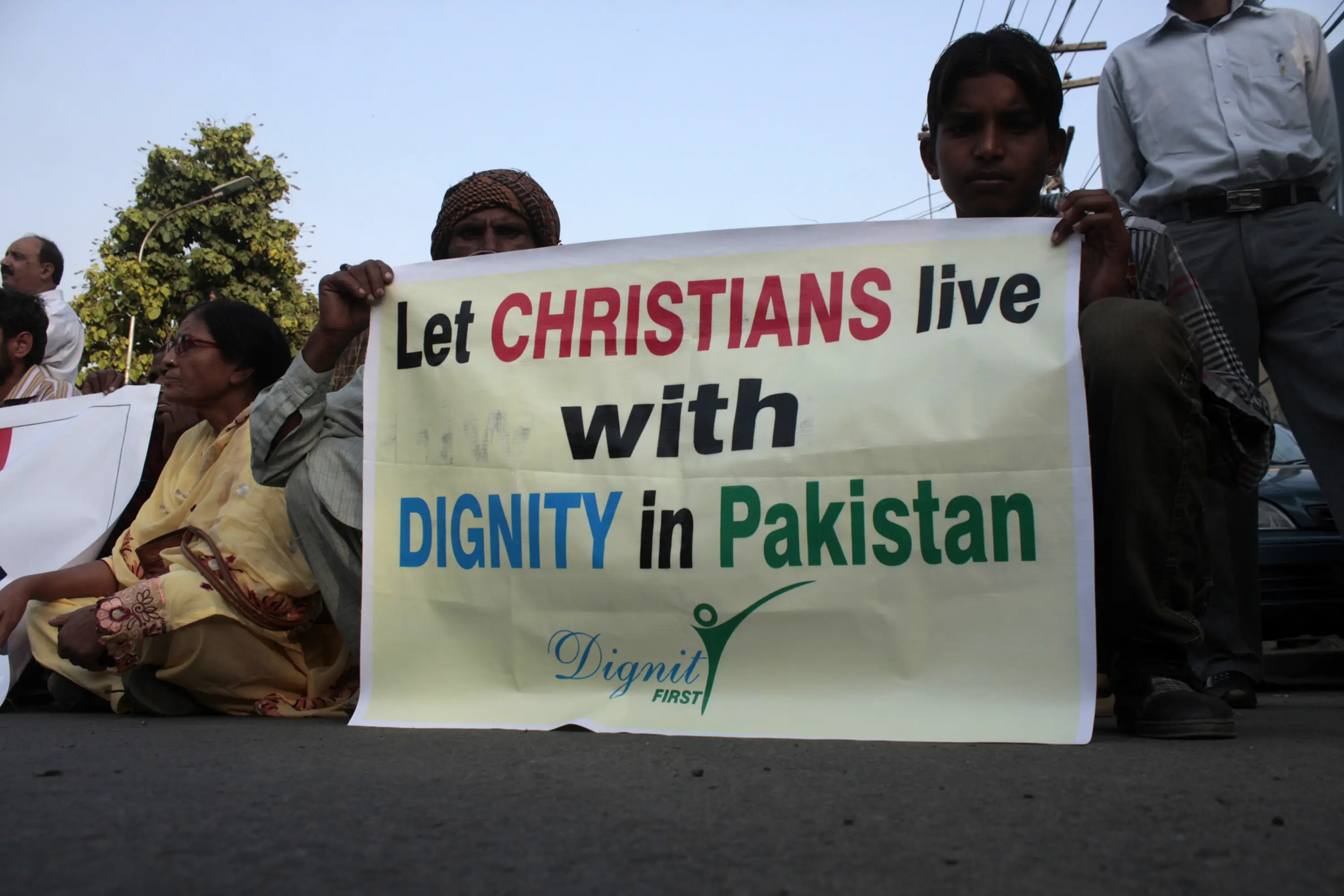
Religious intolerance in Pakistan reached alarming heights in 2025, according to the USCIRF’s latest annual assessment. This U.S. government panel, tasked with tracking international religious freedoms, urges bold policy shifts to counter the escalating crisis.
Blasphemy statutes, wielded aggressively by authorities, devastated minorities. Ahmadis and Christians bore the brunt of mob fury, with incidents amplifying societal divisions. The report details January’s shocking death penalties for four people over purported online blasphemy. Mentally unwell Christian Farhan Masih was jailed on similar charges but released—only to live in hiding.
A February court ruling doled out capital punishment based on a TLP activist’s claim. Junaid Hafeez’s long-suffering appeal vanished from Lahore High Court dockets after years in solitary. Efforts to outlaw child marriage in Islamabad faced fierce backlash from religious councils, who rejected the bill as anti-Islamic despite its aim to protect young girls from forced unions.
Unpunished assaults defined the year. Waseem Masih’s brutal murder in March stemmed from a blasphemy pretext. Nadeem Nath, a Hindu, was gunned down for defying conversion demands. Pastor Kamran Naz survived a September shooting en route to a church event, targeted for his refugee ministry.
Provincial hotspots like Punjab and Sindh saw ongoing abductions and conversions of minority girls. Mass deportations of Afghan refugees, including persecuted Shia Hazaras, added to the toll. With Pakistan already a CPC, USCIRF pushes for renewed designations across 13 countries to spotlight systemic failures and compel accountability.