

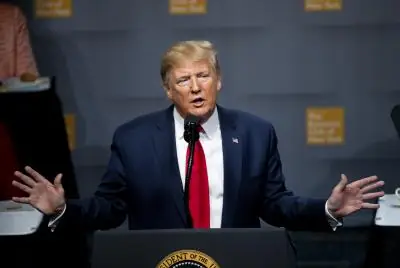
U.S. President Donald Trump finds himself on the defensive after Iran’s top diplomat outright rejected his narrative of an impending deal to halt the escalating conflict. Foreign Minister Abbas Araghchi made it clear: Iran is not pursuing ceasefire talks or any form of settlement with Washington, prioritizing self-defense in what it deems an unlawful aggression.
This comes as the war enters its third week, disrupting oil markets and heightening tensions across the Middle East. Trump, known for his assertive foreign policy pronouncements, adjusted his tone post-rebuttal. He admitted ongoing diplomatic outreach to multiple countries aimed at curbing the chaos but conceded Tehran’s reluctance to negotiate an end to the hostilities.
Previously, Trump had painted a picture of Iranian eagerness for dialogue, stating over the weekend that Tehran wanted a deal—though he was holding out for better terms. Araghchi countered this directly, insisting no such overtures were made. ‘We see no reason to engage Americans after their decision to attack,’ he said, vowing sustained operations until the U.S. acknowledges the war’s pointlessness.
The U.S. appeal for international naval presence in the Strait of Hormuz to ensure passage has similarly yielded no takers, underscoring the isolation in Trump’s strategy. With global markets jittery and alliances tested, the diplomatic tightrope between superpowers grows ever taut, leaving room for miscalculation in this high-stakes impasse.