

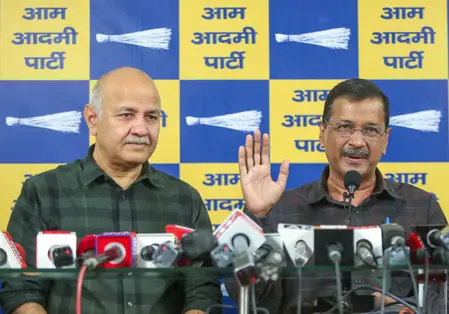
In a pivotal ruling, the Delhi High Court has allowed AAP chief Arvind Kejriwal and former Deputy CM Manish Sisodia until April 5 to submit their counters in the CBI’s challenge over the alleged Delhi liquor scam. The bench led by Justice Swarna Kanta Sharma fixed April 6 as the date for further proceedings, marking another chapter in this contentious legal saga.
The dispute revolves around the CBI’s dissatisfaction with a trial court’s decisions in the excise policy case, which has ensnared top AAP leaders. Kejriwal’s counsel, senior lawyer N. Hariharan, resisted the CBI’s move, pointing to their pending Supreme Court plea against the High Court’s interim directive. This layered litigation underscores the complexities of high-stakes political probes.
Solicitor General Tushar Mehta, for the CBI, painted a grim picture of procedural lapses. He demanded a full evidentiary review, slamming the lower court’s handling as deficient. Mehta went further, alleging Kejriwal’s prejudice against the judicial process and CBI’s efforts, a charge that electrified the courtroom atmosphere.
Justice Sharma probed the absence of replies from the defense, prompting a request for extension. Mehta countered fiercely: ‘This has become a pattern—level charges and evade accountability. Such professional accusers cannot be indulged.’ Kejriwal’s team calmly sought just the opportunity to respond adequately.
Noting the Supreme Court filing, the bench mandated strict adherence to the April 5 cutoff. This extension, while procedural, intensifies pressure on AAP amid elections and public discourse. As Delhi’s political landscape simmers, the judiciary’s role in upholding transparency remains under the microscope, promising more twists ahead.