

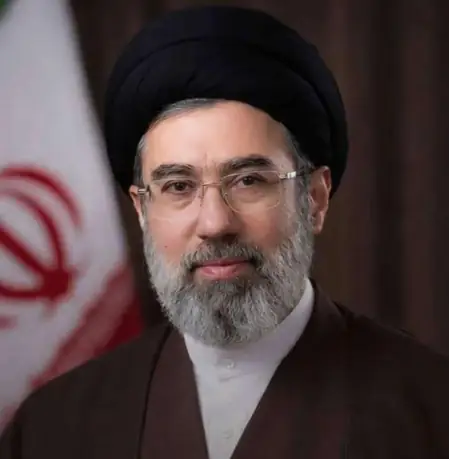
In a bold Telegram post, Iran’s third Supreme Leader, Mojtaba Khamenei, has renewed demands for reparations from adversaries. Refusal, he warned, will lead to asset seizures or destruction equivalent to the demanded amount. This escalation follows a deadly exchange of blows between Iran, Israel, and the U.S.
State media broadcast the message, where Khamenei urged continued resistance and upheld the closure of the Strait of Hormuz as a viable strategy. He pledged to avenge comrades lost in recent conflicts, vowing Tehran stands firm on retribution.
Recapping the timeline: Late February saw devastating Israeli-U.S. strikes kill Ali Khamenei and senior generals. Iran’s counteroffensive hit back hard, striking U.S. bases and Israeli targets with precision munitions.
Mojtaba’s ascension on March 8 marked a dynastic shift, with the Assembly of Experts fast-tracking his leadership amid crisis. His speeches stress selective targeting—only offensive enemy sites—while expressing goodwill toward neighboring states.
U.S. officials paint a dire picture for Tehran. Defense chief Pete Hegseth asserted the new leader is wounded and evading capture, as Iranian forces reel from relentless American campaigns. ‘Their command is crumbling under pressure,’ he noted in a briefing.
The post omitted details on Khamenei’s location or health, fueling speculation. With Hormuz under threat, energy prices hover nervously. Iran’s posture mixes olive branches to allies with iron fists for foes, hinting at multi-front warfare if provoked further.
Observers see this as psychological warfare, bolstering domestic morale while deterring escalation. Yet, the compensation demand adds a financial layer to the military standoff, potentially complicating diplomatic off-ramps.