

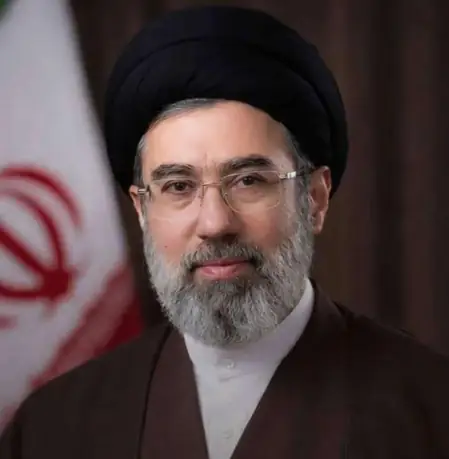
In a dramatic escalation of rhetoric, Iran’s Supreme Leader Mojtaba Khamenei has directly challenged US President Donald Trump’s narrative of an imminent Iranian collapse. Trump has boasted that the war, launched February 28, is in its final stages, leaving Iran powerless to counterstrike. Khamenei, however, projects unbreakable resolve, demanding reparations for war damages and outlining a clear path to enforcement.
‘We will take reparations from the enemy,’ Khamenei proclaimed via Telegram. Refusal means asset seizure; impossibility leads to targeted destruction. This comes after his Thursday address urging sustained resistance and swearing vengeance for martyrs. State media aired the speech, noting Iran’s potential to activate additional battlefronts while sparing friendly neighbors.
The conflict erupted when US and Israeli forces bombarded Tehran and beyond, killing former Supreme Leader Ayatollah Ali Khamenei and key commanders. Iran’s fierce reprisals pummeled enemy bases region-wide with missiles and drones.
Amid US claims—Defense Secretary Pete Hegseth alleging Khamenei’s injury and evasion—Foreign Minister Seyed Abbas Araghchi pushed back forcefully. In a Sunday CBS interview, he debunked truce rumors: Iran seeks no ceasefire, no talks. Defense continues until necessity dictates otherwise, pressing Trump to deem the war unlawful.
‘No reason to talk to America,’ Araghchi said, citing their attack amid prior discussions. Iran had consented to curbing enriched uranium, but nuclear facilities’ devastation has entombed it under debris—no recovery planned. The Strait of Hormuz remains open, with permissions granted case-by-case; nuclear weapons pursuit denied.
Khamenei’s emergence follows the predecessor’s death, signaling leadership continuity amid chaos. Trump’s endgame predictions face skepticism as Iranian officials vow prolonged engagement. Regional stability hangs in balance, with global oil routes and nuclear fears amplifying stakes. Will diplomacy resurface, or deepen the divide?