

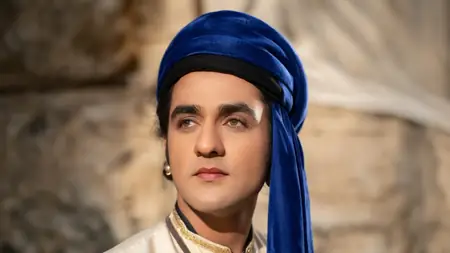
Picture a young man from Jammu, handsome and vocally commanding, ditching family knowledge to chase dreams in Pune’s film studios. That was Daya Kishan Sapru, whose transformation into cinema icon ‘Majhle Sarkar’ captivated generations.
Born March 16, 1916, into a prominent Kashmiri Pandit household, Sapru’s father was a key official in Maharaja Hari Singh’s court. With homes in Jammu and Lahore, a big family, and a self-taught flair for English alongside Urdu-Hindi schooling, Sapru’s early life blended tradition and curiosity. Music was his first love, followed by stints as a contractor in Lahore and Jalandhar.
The spark ignited during college chats. Friends spotted his star quality and pushed him toward films. Heeding their words, Sapru sneaked to Pune, impressing Prabhat Studio’s giants V. Shantaram and others. ‘Ramshastri’ (1944) marked his Marathi bow, ‘Chand’ his Hindi one, and ‘Lakha Rani’ saw him as a hero with Monica Desai, commanding top pay.
Sapru mastered menacing authority in roles like ruthless landlords and cops. His 1962 tour de force in ‘Sahib Bibi Aur Ghulam’ as the middle Chaudhry redefined screen presence with sparse lines but thunderous impact. Guru Dutt harnessed his essence perfectly.
He nearly played the lead in ‘Pakeezah’ before embracing villainy in ‘Jewel Thief,’ ‘Deewaar,’ and more. Bonds with Dev Anand and Guru Dutt fueled his discipline—he rose at 5 AM for vocal drills and pursued homeopathy.
Married to Hemwati in 1948, their family included actress Preeti, actor Tej, and writer Reema. Cancer beaten, stress led to a fatal heart attack on October 20, 1979. Mumbai honored him in 2024 by naming a road after him, a fitting tribute to a man whose voice still echoes in reel history.