

A fresh dispute in Iraq pits the central Oil Ministry against Kurdistan’s Natural Resources Ministry, stalling efforts to revive oil exports vital to national revenue. As global energy markets watch closely, the impasse highlights deepening fractures in the country’s energy governance.
The Oil Ministry is poised to reactivate the northern pipeline to Turkey’s Ceyhan port, capable of handling more than 300,000 barrels daily from Kurdish fields—on top of prior exports exceeding 200,000 barrels per day. With a maximum throughput of 900,000 barrels, the infrastructure is primed and waiting.
Kurdistan officials, however, have rejected the move, imposing preconditions that stray far from oil logistics. Undeterred, Baghdad insists on prioritizing exports now, with negotiations on other issues to follow. This clash comes as Iraq grapples with a 70% production drop to 1.4 million barrels per day, largely in southern hubs now limping at 1.3 million barrels.
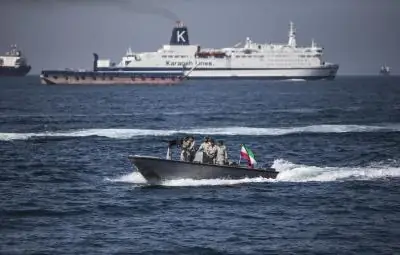
Oil Minister Hayan Abdul-Ghani recently quantified the damage from halted shipments through the Hormuz chokepoint. Resuming flows isn’t just economic—it’s a matter of survival for Iraq’s battered finances amid West Asia’s turmoil.