

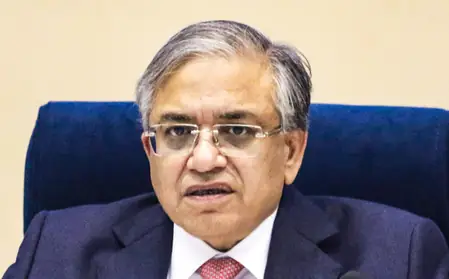
Chief Election Commissioner Gyanesh Kumar dropped the election calendar for key states on Sunday, setting the stage for high-stakes battles in Assam, West Bengal, Kerala, Tamil Nadu, and Puducherry. But the real headline was his uncompromising crackdown pledge against AI-generated deepfakes and misinformation aimed at voter deception.
During the press interaction, Kumar addressed concerns head-on: ‘State-level nodal officers are on high alert for deepfake misuse. We’ll remove offending content immediately and lodge FIRs if needed.’ This digital firewall is part of a broader blueprint to ensure polls remain pristine, free from violence or undue influence.
Breaking down the schedule, single-phase voting hits Assam, Kerala, and Puducherry on April 9. Tamil Nadu goes all-in on April 23 for its 234 seats. West Bengal, however, splits into two rounds—April 23 for 152 seats and April 29 for the rest—down from eight phases previously, thanks to stakeholder inputs for smoother logistics.
Over 174 million voters will head to 2.18 lakh booths manned by 2.5 million staff. Real-time turnout data every two hours will keep the public informed. Fresh evaluations paved the way for this timeline, aligning with assembly tenures expiring mid-May.
Kumar’s vision paints a future where technology empowers rather than undermines democracy. As campaigns heat up, the message is clear: tamper with truth via AI, and face the full force of the law. These elections could redefine how India battles the deepfake deluge.