

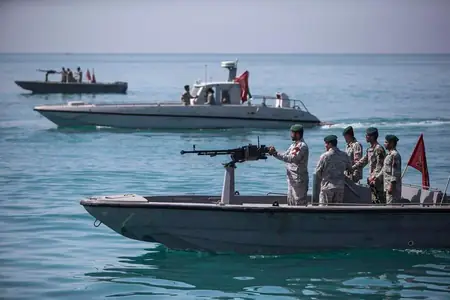
Tensions in the Persian Gulf intensified as Iran’s IRGC Navy chief Alireza Tangsiri announced that the critical Strait of Hormuz is operational yet squarely under Tehran’s authority. Rejecting US boasts about neutralizing Iran’s fleet and ensuring safe passage for tankers, Tangsiri labeled such assertions as fabrications propagated by Washington.
This pivotal maritime corridor funnels nearly 20% of global oil supplies, making it indispensable to the world economy. The commander’s remarks, relayed via Iran’s Tasnim news agency, arrive against a backdrop of heightened hostilities following US-Israel assaults on Iran and subsequent Iranian counterstrikes on US installations.
Foreign Minister Abbas Araghchi reinforced the position, telling American outlets that neutral ships can traverse freely, but vessels linked to adversaries face exclusion. He specified that the strait bars entry to warships and tankers from nations actively engaging Iran or supporting its foes.
Supreme Leader Mojtaba Khamenei affirmed Iran’s commitment to safeguarding the strait in his first public message. On the other side, President Trump called on major oil consumers to join US efforts in patrolling the waters, promising military support to prevent closures that could spike energy costs worldwide.
In a pointed tweet, Trump claimed coalition partners would contribute naval power to maintain open seas, crediting US strikes with crippling Iranian defenses. Yet, Tehran counters that its strategic grip remains unshaken, positioning the strait as a leverage point in the broader conflict.
Market analysts warn of volatile oil prices as stakeholders navigate this high-stakes chess game. Iran’s controlled openness serves as both a reassurance to allies like China and a warning to opponents, encapsulating the delicate tightrope of Middle East power dynamics.