

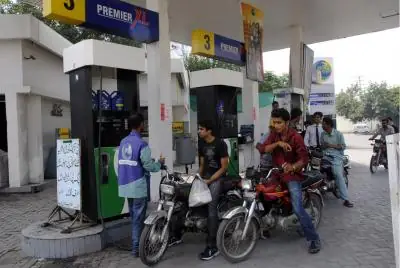
Pakistanis gearing up for Eid are reeling from a massive fuel price hike announced right before the festivities. Petrol and diesel costs have surged by 55 rupees per liter, exacerbating an economy already battered by inflation and import dependencies.
This development hits hardest during Ramadan, when household budgets are stretched thin by iftar meals and charitable giving. Transportation costs, a lifeline for urban commuters and rural travelers alike, have spiked, pushing up prices of everyday goods across the board.
In Karachi, bus and rickshaw fares rose within hours of the announcement, while Peshawar sees similar chaos with elevated inter-city travel expenses. Daily laborers, whose incomes are precarious, are bearing the brunt, with reports of reduced fuel consumption at pumps signaling widespread cutbacks.
Experts point to Pakistan’s import-heavy fuel strategy as the culprit, turning international volatility into domestic pain. Fuel price fluctuations act as a conduit, transmitting cost pressures to agriculture, manufacturing, and retail sectors.
As Eid approaches, festive shopping plans are derailed for many families. The government’s decision defies traditional Ramadan relief expectations, sparking outrage and calls for intervention. Without swift measures, this crisis threatens to dampen the spirit of the season for millions.