

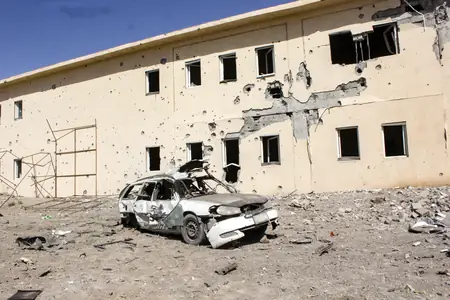
In a strongly worded statement, India has denounced Pakistan’s airstrikes within Afghanistan’s borders, calling them a direct assault on the neighboring country’s independence. Civilian casualties and widespread infrastructure damage from the raids have drawn global scrutiny to Islamabad’s military actions.
Spokesperson for the Ministry of External Affairs, Randhir Jaiswal, responded to queries by condemning the strikes outright. He pointed out the loss of innocent lives and harm to civilian assets, framing the incidents as evidence of Pakistan’s antagonism toward Afghanistan’s sovereignty.
‘India emphasizes the vital need to honor Afghanistan’s sovereignty and territorial integrity,’ Jaiswal added, underscoring New Delhi’s longstanding position. The Pakistani jets struck key areas on Thursday night and Friday, affecting provinces like Kabul—where four deaths and over 25 injuries were reported—Kandahar, Paktika, Khost, and Nangarhar. A notable target was a Kandahar oil depot.
Afghanistan hit back swiftly. Its Defense Ministry revealed strikes on Pakistani positions in Kohat, Khyber Pakhtunkhwa, including a fortress and command post along the disputed Durand Line. Posted on X, the announcement described the operation as a precise retaliation to Pakistan’s initial aggression.
This back-and-forth military exchange highlights deepening rifts between the two nations, complicated by historical border disputes and militancy concerns. India’s vocal criticism not only supports Kabul but also serves as a warning against unilateral actions that threaten regional peace.
With lives lost and facilities ruined, the strikes amplify calls for diplomatic intervention. Observers worry that without de-escalation, the porous Afghan-Pakistani frontier could ignite a larger firestorm, impacting stability across South Asia and beyond.