

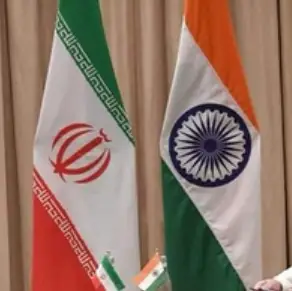
From exile in Washington, Iran’s opposition has drafted a detailed blueprint for post-regime change, spotlighting renewed partnership with India via the Chabahar Port and oil trade. Released under the Iran Prosperity Project, this transition strategy targets rapid economic recovery in the initial six months of a new government.
India emerges as a cornerstone in the 178-page proposal, labeled a vital partner for trade restoration after prolonged sanctions. The plan urges immediate resumption of Chabahar development, transforming it into a vital link between the Indian Ocean, Persian Gulf, and landlocked Central Asian nations.
Strategically, Chabahar allows India to access Afghanistan and beyond without traversing Pakistan, a long-sought advantage. The document also advocates restarting crude oil shipments to India, harking back to pre-sanction days when it was a primary importer.
Envisioning Iran as a regional economic powerhouse, the blueprint emphasizes connectivity across the Middle East, South Asia, and Central Asia. Ties with China and Russia would be strengthened, but with safeguards for sovereignty. Strategic pacts would be reassessed for fairness.
Regional outreach extends to neighbors like Pakistan, focusing on joint anti-terror efforts and border security. Crown Prince Reza Pahlavi, heir to the Pahlavi dynasty exiled since 1978, spearheads this initiative, uniting experts and expatriates for a path to democracy and reform.
Iran’s prime location could turn it into a bustling trade nexus once barriers fall. India’s prior investments in Chabahar underscore its commitment, though progress has been hampered by sanctions and geopolitics. This opposition vision promises a dramatic reintegration into world markets, powered by India ties.