

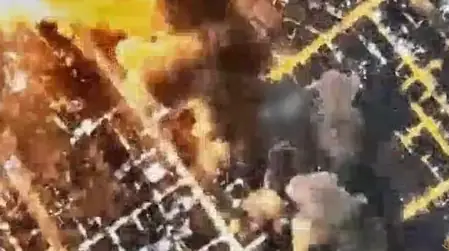
Tel Aviv’s military machine struck with lethal accuracy on February 28, when approximately 50 IDF fighter aircraft hammered an underground fortress linked to Ayatollah Ali Khamenei right in the heart of Tehran. The leadership compound, a symbol of Iranian intransigence, housed a sprawling bunker meant for the Supreme Leader’s wartime refuge.
IDF spokespeople detailed the assault in an official release: intelligence from specialized directorates orchestrated the jets’ path to the target. Even post-Khamenei’s demise, regime elites continued operations from this heavily fortified site, built over years with streets-spanning tunnels, entryways, and command chambers.
Under the banner of ‘Operation Roar of the Harrier,’ the bunker was reduced to rubble. This wasn’t a haphazard attack; it followed prolonged surveillance and analysis by military intelligence pros. The compound represented Iran’s operational headquarters, and its loss amplifies existing fractures in the regime’s hierarchy.
Social media updates from the IDF on March 3 highlighted the site’s elite security and the overnight precision that erased both the leader and his command post. For Israel, this raid exemplifies superior tech and intel dominance in countering terror networks.
As fallout ripples through the Middle East, questions mount about Iran’s next moves. The bunker bust not only degrades capabilities but exposes vulnerabilities in the ayatollahs’ iron grip, potentially reshaping power dynamics for years to come.