

The flames of war in the Middle East threaten to ignite a global energy crisis, according to Qatar’s top energy official. Minister Saad al-Kaabi cautioned that prolonged fighting could force Gulf exporters into declaring force majeure within days, crippling oil supplies and driving prices to $150 per barrel in mere weeks. LNG rates might hit $40 per MMBtu, a fourfold increase, in his interview with the Financial Times.
‘Expect all Gulf exporters to invoke force majeure soon if hostilities don’t end,’ al-Kaabi stated firmly. Failing to do so would expose companies to massive legal payouts for breached obligations—a risk no one wants to take.
The Strait of Hormuz remains the linchpin. Blocked tankers would slash global supply lines, al-Kaabi explained, paving the way for explosive price hikes in short order.
Oil markets are in turmoil. Brent surged more than 20% weekly, ending Friday up 3% at over $89. WTI rocketed 25% to $86, marking post-April 2024 peaks for both.
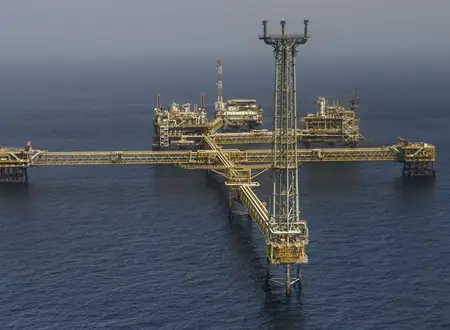
As LNG powerhouse Qatar grapples with the aftermath of an Iranian drone strike on its Ras Laffan facility—the nation’s largest—force majeure is already in effect. Recovery efforts face logistical nightmares; with most of its 128 LNG ships sidelined, normalization could stretch from weeks into months.
At least 10 ships have been targeted, prompting insurers to hike premiums sky-high and shippers to steer clear of the region. Iran’s barrage of missiles and drones, hitting targets like a Bahrain refinery, underscores the volatility. Energy consumers worldwide should prepare for turbulence ahead.