

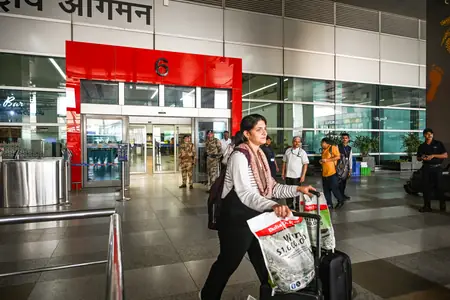
In a significant step towards normalcy, India’s leading airlines are slowly resuming operations to the Middle East following the partial reopening of key airspaces. IndiGo, Air India, and SpiceJet kicked off limited flights on Friday, navigating the challenges posed by the US-Israel-Iran war’s fallout.
Thousands of flights continue to face cancellations due to lingering restrictions, but progress is evident. IndiGo will run 17 flights across eight destinations, operating 34 sectors while prioritizing safety protocols in partnership with regulators.
Air India and its express arm have swiftly responded to the clearance of Saudi and Omani airspace, reinstating services to Jeddah and Muscat. This is crucial for the large expatriate community relying on these routes.
SpiceJet’s strategy includes UAE-India special flights on March 6, 7, and 8, aimed at easing the backlog of passengers. IndiGo urges booked travelers to await direct communication before proceeding to airports, minimizing chaos at terminals.
Further relief comes from Air India’s repatriation flights from UAE hubs like Dubai, subject to approvals. Other routes stay paused until March 10, with flexible rescheduling options for recent bookings—no penalties for changes within 30 days.
Airport data underscores the recovery: Dubai saw flight traffic nearly double to 25% capacity. Broader stats indicate 44,000+ planned flights disrupted, with 25,000+ axed since late February.
Government bodies like DGCA are in overdrive, manning helpdesks and liaising with carriers. The ministry vows to curb exploitative pricing, ensuring fairness as skies tentatively clear.