

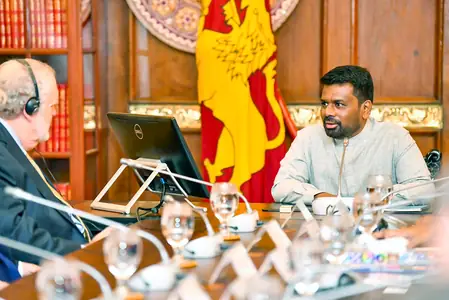
Sri Lanka steps into the spotlight as President Anura Kumara Dissanayake outlines a comprehensive plan to handle the Iranian naval ship IRIS Bushehr, now under Colombo’s supervision per international protocols. This move comes after the vessel sought refuge amid escalating geopolitical frictions.
Background on the ship reveals its role in the recent India-hosted International Fleet Review-2026, alongside the IRIS Dena, which met a watery grave near Sri Lanka’s southern shores reportedly due to a US submarine strike. The Bushehr’s distress call on March 4 prompted swift diplomatic engagement.
In his briefing, Dissanayake emphasized Sri Lanka’s neutral stance and adherence to UN maritime laws. ‘We are prioritizing human lives while navigating this complex scenario involving a conflict-zone vessel,’ he affirmed. Discussions with the captain, crew, and Iranian diplomats paved the way for a structured evacuation and relocation.
To avoid disrupting Colombo’s bustling commercial port, the strategy involves naval escort for the crew’s safe passage to the capital. The 206-strong crew – broken down into officers, cadets, senior sailors, and regulars – will receive thorough medical screenings and temporary accommodation at Welisara Naval Camp.
Following disembarkation, a specialized team blending Sri Lankan sailors and select Iranian crew will maneuver the Bushehr eastward to Trincomalee, a key naval hub. This port choice balances security, logistics, and international sensitivities.
Dissanayake’s address highlighted the rarity of such events, positioning Sri Lanka as a responsible actor in regional stability. With the Indian Ocean increasingly a flashpoint, this episode tests Colombo’s diplomatic acumen and naval capabilities, setting a precedent for future incidents.